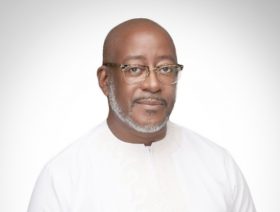
Jonathan Amoako-Baah, CEO of Ghana Grid Company (GRIDCo), talks to The Energy Year about how the company has ensured the continuation of its operations and how local…
READ MORE
2024 oil reserves:657 million barrels
2024 oil production:194,000 bopd
2024 gas reserves:48 bcm
2024 annual gas production:3.32 bcm
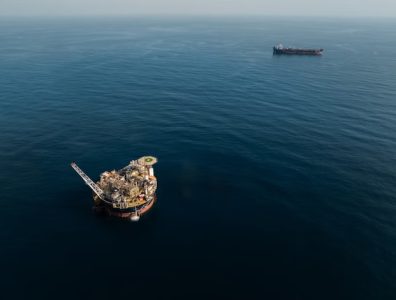
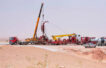
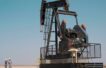
Ghana’s oil and gas sector rose into significance upon the discovery of massive deposits in its offshore Jubilee field, which began production in 2010. Since then, satellite discoveries have been made in the country’s five sedimentary basins, significantly increasing its importance among the continent’s oil and gas producers. However, Ghana remains less reliant on its hydrocarbons production than its sub-Saharan African neighbours such as Nigeria, Angola and Gabon, with gold as its largest export and its services sector representing around half of national GDP.
The hydrocarbons sector is supervised by the Petroleum Commission, which oversees upstream bid rounds and enforces state guidelines surrounding oil and gas production. The sector is dominated by state-run Ghana National Petroleum Corporation, created in 1983 to champion activities in the upstream sector. International E&P companies have joined the country in developing its upstream assets, including Tullow Oil, ExxonMobil and Aker Energy. The market is seen as attractive due to low lifting prices and a stable political environment.
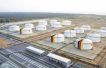
The government set up the privately run Ghana Gas Company in 2011 to build, own and operate infrastructure required for gathering, processing, transporting and marketing the nation’s gas resources. The company has actively developed Ghana’s successful downstream sector, which now looks to supply gas to rural areas, lower the use of diesel and heavy fuel oils in power generation and electrify the entire country. Ghana aims to become a gas trading hub for West Africa through its LNG terminal in Tenma and related infrastructure but is met with stiff competition from the region.
Ghana’s power sector is steadily expanding, driven by a strong mix of thermal, hydro, and growing renewable energy sources. Natural gas remains the main fuel for electricity generation, supported by both local production and imports, while hydropower continues to anchor the system. Renewable energy, particularly solar, is gaining ground through new public and private projects under the government’s Energy Transition Framework. With rising investment and broader grid coverage, Ghana is advancing toward near-universal electrification and a cleaner energy mix. Although power reliability challenges persist, increased gas use and diversification are strengthening the country’s long-term energy security.
Sam Norman Sali and Vincent Sali of Visal talk about expanding the firm's energy insurance portfolio through technical advisory…
READ MORE
Alexander Nagelhout of Well Engineering Partners and Blaise Kudatugu of Lubrimax Ghana talk about the Voltaian Basin’s…
READ MORE
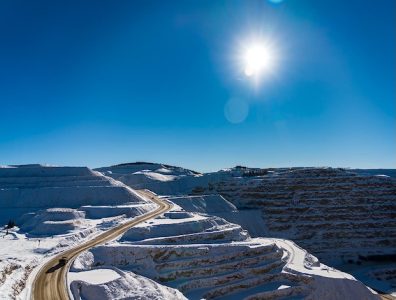
Newmont has secured approvals for the expansion of the Red Chris gold and copper mine in British Columbia.
READ MORE
Eni has secured exploration rights over 15 offshore blocks in Guinea amid rising interest among energy majors in frontier…
READ MORE
Humphrey Oriakhi of PAC Capital talks about overcoming the bankability challenges of African projects through tailored financial…
READ MORE
Oladayo Williams of Tetracore Energy Group talks about the growing appetite for CNG among industrial, power and transportation…
READ MORE
Philippe N’Da of ICE Oil & Gas in Côte d'Ivoire talks about the growing momentum in West Africa's upstream following recent…
READ MORE
Jonathan Amoako-Baah, CEO of Ghana Grid Company (GRIDCo), talks to The Energy Year about how the company has ensured the continuation of its operations and how local…
READ MORE
Alvin Mingle, senior managing partner of Fitzgerald-Bassey, and Kwabena Peprah, the firm’s managing partner, talk to The Energy Year about the business impact of…
READ MORE
Ian Cloke, executive vice-president of Tullow Oil, talks to The Energy Year about the company’s African asset sales, how Covid-19 has impacted operations and the…
READ MORE
Kwame Acquah, managing director of Research Development & Financial Consultants (RDFC), talks to The Energy Year about the impact of Covid-19 in Ghana, the role of…
READ MORE
Daniel S. Kwarkyi, managing director of Danest Engineering Company, talks to The Energy Year about Covid-19 challenges and how the government and foreign investors can…
READ MORE
Kofi Oduro Mensah, co-CEO for joint ventures and strategic alliances at Harlequin Oil & Gas, talks to The Energy Year about how the Covid-19 crisis has impacted…
READ MORE
Guillaume Larnicol, vice-president for sub-Saharan Africa at Expro, talks to The Energy Year about the impact of both Covid-19 and low oil prices on the industry and…
READ MORE
MacDonald Vasnani, CEO of Consolidated Shipping Agencies (Conship), talks to The Energy Year about the inevitable need to downsize operations and staff during the…
READ MORE
M.C. Vasnani and Linda Vasnani, CEO and COO of Consolidated Shipping Agencies (Conship), talk to The Energy Year about the relationship between the private sector and…
READ MORE
Kofi Oduro Mensah, co-CEO for joint ventures and strategic alliances at Harlequin Oil & Gas, and Frederick Hesse-Tetteh, the company’s co-CEO for projects,…
READ MOREWHOSE PLATFORM IS THIS?
ASK US