Ravi Varrier, CEO of Al Rashed International Shipping Company, talks to The Energy Year about how the company has navigated Covid-19 and the oil price drop and how the…
READ MOREIraq's Energy Industry
in figures
2024 oil reserves:145 billion barrels
2024 oil production:4.49 million bopd
2024 gas reserves:3.71 tcm
2024 gas production:9.81 bcm
Iraq: emerging from uncertainty
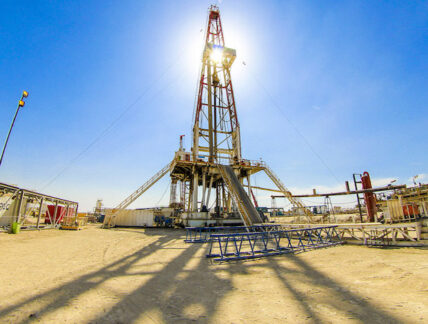
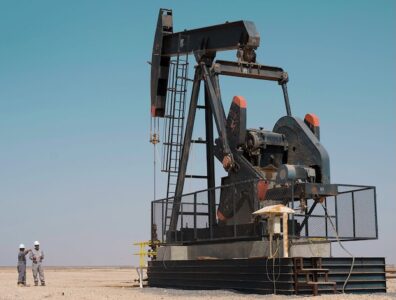
Iraq is the second-largest oil producer in OPEC. The country holds around 145 billion barrels of proven crude oil reserves, among the largest globally. The national oil and gas sector is overseen by the Ministry of Oil, and the government participates in E&P activities through the following state-owned entities: North Oil Company, Midland Oil Company, Dhi Qar Oil Company, Basrah Oil Company and Missan Oil Company.
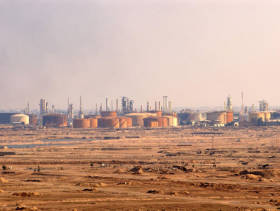
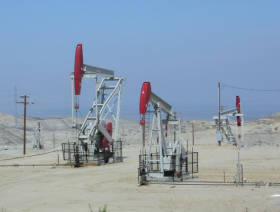
Most of Iraq’s hydrocarbons are concentrated along the country’s eastern edge, near the border with Iran. The super-giant fields in the southeast near Kuwait represent the world’s greatest concentration of such finds and contain more than 70-80% of the country’s reserves, while around 20% is located in the northern region. Production is driven predominantly by Iraq’s NOCs. The country is seeking to raise output from its maturing assets, which will require water injection, including seawater conversion/injection. Iraq’s impressive gas potential has also been largely overlooked, with the country relying on gas imports to meet demand. Efforts are underway to reduce gas flaring and expand the transport infrastructure needed to support domestic gas development.
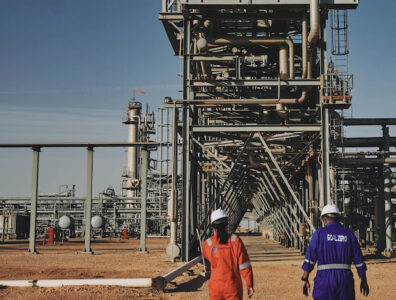
Iraq has significant refining capacity, but much of the sector’s infrastructure has become antiquated and operates at around 50% capacity. These ageing facilities produce more heavy fuel oil than refined products, creating a mismatch with domestic demand. The state has discussed imposing measures to redirect investment away from upstream activity and towards downstream development, in an effort to generate more direct economic growth.
Raising production on Iraq’s oil and gas fields will also require additional power generation capacity. The hydrocarbons industry has traditionally accounted for 10% of total energy demand in the country, a share expected to rise as output increases. Despite the resilience of Iraq’s hydrocarbons sector, political turmoil has weighed on investment in power generation. The government has taken steps to curb consumption, but further investment will be required to meet the country’s industrial targets.
Yahya Al Yami of Khalifa Abdulrahman Algosaibi Investment talks about the competitive advantages of operating within the Saudi…
READ MORE
Oil markets remain on edge as hostilities continue in the Gulf. Kuwait Petroleum Corporation said on Tuesday that its Al Salmi…
READ MORE
TotalEnergies has shut down operations in the Middle East for approximately 15% of its total output due to the US-Iran war.
READ MORE
The UAE's Dana Gas has suspended production at the Khor Mor gasfield in Iraq's Kurdistan Region due to regional security concerns.
READ MORE
Dana Gas has confirmed a significant gas discovery in the Nile Delta, Egypt, with reserves of up to 25 bcf.
READ MORE
Oğuz Kirkgӧz, executive vice-president of ENKA, talks to The Energy Year about how the company’s projects in Iraq have been affected by the Covid-19 pandemic and…
READ MORE
Oil was down on Friday morning in Asia as some of the biggest oil producing members of the Organization of the Petroleum Exporting Countries and Allies (OPEC+) vouched…
READ MOREGhassan Mirdad, president of the eastern Middle East region at Schlumberger, talks to The Energy Year about the resiliency of the Middle Eastern oil and gas industry…
READ MORE
Zaher Ibrahim, Baker Hughes’ vice-president for Saudi Arabia, the North Gulf and the East Mediterranean, talks to The Energy Year about the importance of having a…
READ MORE
Oil was down on Thursday morning in Asia, with ever-increasing numbers of Covid-19 cases continuing to hinder investor confidence in the global economic…
READ MORE
Oil was up on Friday morning in Asia, finishing the week by adding to gains from the previous session.
Brent oil futures rose 0.51% to $41.72 by 10:11 PM ET (3:11 AM…
READ MORE
Oil was up on Monday morning in Asia, after OPEC extended its existing production cuts into July on Saturday, with output to be cut by 9.6 million barrels next…
READ MORE
Ahmed Al Barwani, CEO of Muna Noor, talks to The Energy Year about how the company is tackling the Covid-19 challenge and how rate reductions are affecting the…
READ MORE
Oil was down on Monday morning in Asia, giving up some of its gains from the last session.
Brent Oil futures were down 1.36% to $30.48 by 9:52 PM ET (2:52 AM GMT)…
READ MOREWHOSE PLATFORM IS THIS?
ASK US
- Do you have a question for The Energy Year about oil and gas?
- If we know, we’ll tell you.
- If not, we’ll ask the experts in the field.