

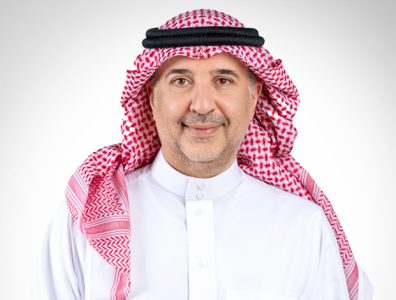
Heightened passenger and freight connectivity in Saudi Arabia
June 6, 2025 Saudi Arabia


Bashar Al Malik, CEO of Saudi Arabia Railways (SAR), talks to The Energy Year about the growing demand for passenger and cargo transportation on Saudi Arabia’s railway network and establishing PPP frameworks to attract investment and reinforce the network. SAR is Saudi Arabia’s state-owned national railway operator.
What are the key components of SAR’s 2035 strategy, and how do they align with Saudi Arabia’s broader vision for economic growth and development?
Saudi Arabia’s Vision 2030 underscores the importance of infrastructure development, economic diversification and sustainability. Our 2035 strategy is designed to support these objectives by focusing on several strategic initiatives. We are expanding our rail network by investing in high-speed passenger and freight services that will enhance connectivity across key economic zones, industrial cities and ports, and we are strengthening logistics integration by linking rail with seaports, airports and road networks to boost trade efficiency.
Our commitment to sustainability is evident in our transition to lower-carbon solutions, including the adoption of electric and hydrogen-powered trains. We are also integrating smart rail systems by leveraging AI, automation and predictive analytics to improve operational efficiency and safety.
Finally, we are fostering PPPs to encourage private-sector investment and accelerate the development of our rail infrastructure. Together, these initiatives not only align with Vision 2030 but also drive economic growth, create jobs and promote sustainable transportation across Saudi Arabia.
How is SAR encouraging private-sector investment and fostering PPPs within the logistics sector?
Private sector involvement is critical to modernising Saudi Arabia’s railway sector, and we have established PPP frameworks focused on introducing investment-friendly policies to attract both domestic and international investors. In parallel, we are working with international organisations such as UIC [International Union of Railways] and RAME [Regional Assembly Middle East] to reform regulations, creating a more efficient and transparent environment for investment. To further encourage investors, we are offering financial incentives, long-term concessions and risk-sharing mechanisms.
Additionally, we are facilitating technology and innovation partnerships by collaborating with global rail technology firms to bring advanced solutions to Saudi Arabia. A critical aspect of our approach is ensuring that the interests of private partners are balanced with our public service obligations through careful risk allocation, paving the way for long-term profitability driven by demand-oriented rail investments.
How is SAR improving transport efficiency for the oil and gas and minerals sectors?
The energy industry is a key driver of rail logistics in Saudi Arabia. Our initiatives to optimise transport efficiency include developing dedicated freight corridors, such as the expansion of the North Network and East Network, that significantly improve the transport of oil, gas and minerals.
Our efforts to strengthen intermodal connectivity will ensure that rail links seamlessly integrate with pipelines and ports, while our commitment to sustainability is reflected in our deployment of fuel-efficient locomotives and exploration of hydrogen-powered freight trains.
In a recent milestone, SAR connected Jubail Commercial Port with Riyadh Dry Port with a 78 teu shipment on a rail line with a capacity of up to 140 teu per trip. In 2024, SAR moved 4.71 million tonnes of phosphate, 5.21 million tonnes of bauxite, 1.52 million tonnes of magnesite and 2.59 million tonnes of manganese, among other key minerals. Strategic partnerships with industry leaders such as Aramco, Ma’aden and other energy companies further enable us to develop integrated transport solutions that reduce costs, lower emissions and streamline supply chains.
What impact do you expect SAR’s localisation programme will have on Saudi Arabia’s rail industry?
Our localisation programme is transforming Saudi Arabia’s rail industry by boosting local manufacturing, facilitating technology transfer, creating jobs and driving economic growth. As part of this initiative, SAR, in collaboration with the Local Content & Government Procurement Authority and the Ministry of Transport and Logistics, recently launched the Asasat Program, which aims to localise the railway industry and attract investments exceeding SAR 15 billion [USD 4 billion].
The programme is built on six key pillars and focuses on enhancing national industry competitiveness through innovation, local service development and support for domestic suppliers in areas such as train car manufacturing, refurbishment and smart technology development.
By establishing domestic production facilities for components, signalling systems and rolling stock, we not only reduce reliance on imports but also strengthen our domestic supply chains. Moreover, our commitment to job creation is evident in our specialised training programmes and partnerships with local universities to develop a skilled workforce. Although challenges such as the time required for skill development and the need to maintain global competitiveness remain, we are confident that these long-term efforts will lead to a more self-sufficient and robust rail industry in Saudi Arabia.
How is SAR advancing low-carbon logistics initiatives?
Sustainability is at the core of our strategy. We are advancing low-carbon logistics initiatives by integrating renewable energy sources, such as solar and wind, to support our rail operations. Our ambitious carbon reduction goals include the deployment of energy-efficient locomotives designed to cut carbon emissions by 30%. Additionally, we are developing eco-friendly infrastructure, with green-certified rail stations and maintenance facilities that underscore our commitment to environmental stewardship.
Our efforts will demonstrate the viability of clean rail transport, positioning Saudi Arabia as a leader in sustainable mobility and positively influencing the future of green logistics.
What do the latest statistics reveal about adoption rates for passenger and cargo services and what trends are emerging?
Rail transport in Saudi Arabia is increasing due to improved connectivity and service expansion, with rising passenger demand on major routes such as Riyadh-Dammam and the Haramain High-Speed Railway, which are operating with greater frequency and reliability. In 2024 alone, SAR transported over 13.7 million passengers, underscoring the growing popularity of our services. Cargo volumes have similarly grown, with improved logistics corridors boosting the movement of minerals and facilitating efficient port-to-inland transport. In 2024, SAR handled approximately 878,100 cargo containers, amounting to 28.6 million tonnes of cargo.
Additionally, we are deploying digital ticketing systems and smart services powered by AI to improve customer experience. Urban rail developments, including metro and tram projects in Riyadh and Jeddah, are gaining momentum, and our focus remains on enhancing affordability, convenience and last-mile connectivity to further increase rail adoption across Saudi Arabia.
How is SAR leveraging AI, data analytics and digital tools to optimise energy usage and enhance efficiency within its rail systems?
AI and digitalisation are revolutionising our operations. Our key initiatives include the adoption of AI-driven predictive maintenance systems, which help reduce downtime and extend the lifespan of our assets. We are also utilising AI algorithms to optimise train speeds and routes, ensuring maximum fuel efficiency while reducing operational costs.
Additionally, data analytics are being employed to enhance the passenger experience by personalising travel options, improving ticket pricing and optimising scheduling. These technological advancements not only streamline our operations but also contribute to improving safety and operational efficiency throughout our rail network.
Read our latest insights on:
More content from Saudi Arabia







Quality seismic decisions for Angola
INTERVIEW
Latest news and features



Latest Reports


The Energy Year Oman 2026
The Energy Year Kuwait 2025
The Energy Year Angola 2025
The Energy Year Nigeria 2025
The Energy Year Saudi Arabia 2025
The Energy Year UAE 2025

