

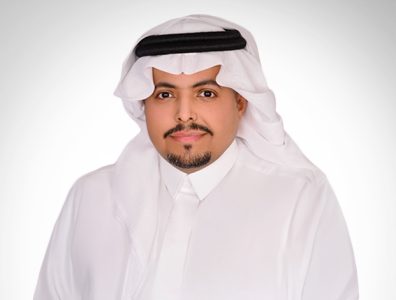
A 1.5-milion-teu logistics partner in Jeddah
May 26, 2025 Saudi Arabia


Abdullah Al Jabr, CEO of West Group Logistics Port Services, talks to The Energy Year about developing new services for petrochemical companies and how Jeddah Islamic Port is driving new logistics business in the Middle East. West Group Logistics Port Services is a provider of cargo storage, transportation, customs clearance and other logistics services.
Can you give us an overview of West Group’s footprint in Saudi Arabia?
Saudi Arabia is a vast country, but we connect the east and west coasts by operating a land bridge with our trucks and serve clients from the Eastern Province to the Western Province. We have four operational centres – Jubail, Dammam, Yanbu and Jeddah – all strategically located near major seaports.
We efficiently connect the ports and provide seamless logistics services across the country. Currently, we operate around 1,000 trucks, and we aim to find tailored solutions for each client’s logistics challenges and deliver goods on time.
How has the USD 1.7-billion expansion of Jeddah Islamic Port affected your operations and the regional logistics market?
The Jeddah Islamic Port is a vital hub for us, as it is the largest port on the Red Sea and a critical gateway for trade in the region. 20 years ago, it was the largest port in Saudi Arabia, and it continues to be the main port in the country. With the expansion, we have seen a significant increase in the volume handled through the port, and this has enabled us to scale our operations and grow our business.
However, the impact of the expansion reaches far beyond Saudi Arabia. As a central port in the region, Jeddah Islamic Port is crucial for the entire logistics network in the Middle East. It facilitates connections and enables the flow of goods across borders. Its development strengthens the logistics sector by enhancing capacity and efficiency, positioning Jeddah as a key player in the global supply chain. For us, it will continue to be a cornerstone for future growth and operations.
How do you view the competition between rail and truck transportation in the logistics sector?
The rail is not our competitor. We are partners. Saudi Arabia wants to increase its exports, and the numbers are continuously growing. To support this growth, we need a logistics infrastructure that can support ever-greater capacities. Rail and truck transport both serve as foundational elements in this process.
We see rail as an opportunity to increase our businesses collectively, and we have already discussed with Saudi Arabia Railways how to combine truck and rail services to move cargo efficiently.
Over the past three years, you have been increasing the number of teu you handle each year. What has underpinned this growth?
In 2023, West Group handled more than 1 million teu, and in 2024, we increased that number to 1.5 million – a 50% increase. This growth is driven by the rise in exports and the efforts of Saudi companies towards fulfilling Vision 2030.
Vision 2030 is a guiding framework that provides clear instructions and a path for growth, and we are committed to following it. The goal is to make Saudi Arabia the central logistics hub between the Far East and the West. Given our location, all shipments between these regions should pass through Saudi Arabia, and we have been reinforcing our facilities and operations to prepare for a rise in transit volumes. Since 2018, we have been growing our fleet, improving our volume capacity and refining our operations to ensure we can handle shipments quickly and efficiently as the volume grows.
Do you plan to add any new services to your offerings in the short term?
A large portion of our business is for companies in the petrochemicals sector, and we aim to introduce packing and material handling services in 2025. Looking ahead to 2030, our goal is to include Ma’aden and Aramco in our portfolio of clients. They are important players, and we must ensure we are equipped to meet their requirements.
By expanding our facilities, enhancing our expertise and strengthening our capabilities, we will be ready to serve them. We will only proceed once we are entirely confident in our ability to deliver the high standards they expect.
What is the main benefit of these new services for your customers?
By offering a comprehensive service, our clients benefit from having the entire logistics process consolidated under one provider. They will no longer have to co-ordinate with multiple providers when their material exits the production line. Instead, they can rely on one point of contact to manage everything from handling to transportation, customs clearance and final delivery.
This improves control and visibility, making the export process much smoother and more efficient for the client. They can track and manage the entire process seamlessly from beginning to end.
There is a gap in the market because few providers can offer such integrated services. We understand the challenges that our customers face, and after studying the market and the competition, we saw an opportunity to introduce a solution that would streamline operations. It wasn’t just about responding to client demands; it was about innovating to make the logistics process more efficient and cost-effective, ultimately benefiting the market as a whole.
We can deliver value by improving control and minimising the complexities of dealing with multiple service providers, and we offer it to all the major petrochemical players, including SABIC, Sadara, Sipchem, Tasnee and other SABIC subsidiaries. We are also seeking opportunities with Petro Rabigh.
Read our latest insights on:
More content from Saudi Arabia







Quality seismic decisions for Angola
INTERVIEW
Latest news and features


Latest Reports


The Energy Year Oman 2026
The Energy Year Kuwait 2025
The Energy Year Angola 2025
The Energy Year Nigeria 2025
The Energy Year Saudi Arabia 2025
The Energy Year UAE 2025

