


Efficiency through automation in Kuwait’s oil and gas sector
August 30, 2024 Kuwait


Abdel Rahman Al Azzeh, managing director of Gulf Automation Systems (GAS), talks to The Energy Year about the large efficiency gains that can be obtained with smart automation systems and the challenges to implementing IoT and other new technologies in Kuwait’s oil and gas sector. GAS is a Kuwaiti technology company specialising in automation and low-voltage systems.
What are the main challenges to deploying analytical instrumentation within Kuwait’s oil and gas sector?
Our products are primarily geared towards the energy industry and environmental agencies such as the Kuwait EPA [Environment Public Authority] for continuous emissions monitoring. They include systems for monitoring energy use and air quality, and we focus on online analytical instrumentation, not having yet ventured into offline lab analysers.
The challenge lies in that not many manufacturers are approved by the K-companies. Few companies offer online analytical instrumentation and the manufacturers are even fewer. We are trying to address the gap, but penetrating the market is difficult because the major players are already established. Most serve the entire GCC from offices in the UAE or Saudi Arabia.
What are your key ventures in oil and gas at the moment, and what milestones have you reached in the sector?
In 2021, we became an approved contractor for the K-companies, which was a significant achievement for us because gaining a foothold in Kuwait’s oil and gas sector requires building a portfolio of references. We have since carried out process automation projects for KOC and KNPC. We worked on KNPC’s refined products loading arms at the oil piers at Mina Al Ahmadi Refinery, which was a KWD 250,000 [USD 812,500] project, and we handled the automation of several KOC shelters as subcontractors.
We have also done business with Al Kout Industrial Projects for their salt and chlorine plants in Kuwait and we have a maintenance contract with Siemens at Mina Al Ahmadi. Our clients include virtually all major energy companies in Kuwait.
Where in the GCC is GAS looking to achieve growth?
To provide context, we have nearly doubled our revenue every year since our inception. It currently stands at approximately USD 3 million and we aim to double it again this year. Since the sector in Kuwait is impeded by government instability and a lack of clear development plans, we established a branch in Saudi Arabia, which has a thriving construction industry and the largest market in the region for our products.
Given the booming demand and rapid uptake of technology, existing companies in Saudi Arabia may struggle to keep pace and some may even falter, so we haven’t formed any partnerships yet.
Is there an appetite for IoT solutions in Kuwait, and would you advocate for their use in the oil and gas sector?
IoT has significantly expanded the scope of our business. In the residential sector, we see demand for smart home solutions. In the commercial sector, we see growing demand for BMSs [building management systems], which now often integrate IoT applications, and BIM [building information modelling].
We certainly advocate the adoption of IoT technologies in the oil and gas sector. Our smart metering solutions monitor energy consumption and help companies become more efficient, for example, and other devices provide data in real time to aid decision making.
In industries such as oil and gas, hazardous environments can limit traditional communication methods. With advanced sensors and communications software, engineers can remotely support plants from their offices, even from different countries. IoT technology can also be used to create digital twins and simulate plant operations to train operators without having to physically access the plant.
Numerous technologies are available that are not yet being utilised by KOC and KNPC, particularly in the realms of security, process automation and analysis. Wireless technology, for instance, was deemed insecure because it was susceptible to hacking, but it has evolved significantly and is increasingly robust.
What are the main barriers to the implementation of new technologies in Kuwait’s oil and gas sector?
The barriers are primarily rooted in regulation. Qualifying for work in oil and gas requires a track record of executed projects. There is a prevalent fear of deploying new technologies that is further exacerbated by the conservative nature of the sector. Additionally, pilot projects face hurdles because the approval process for testing systems is extensive and cumbersome.
How do you envision Kuwait’s industrial sectors progressing from preventive maintenance to predictive maintenance?
As we transition to Industry 4.0, or smart manufacturing, and what we might term Maintenance 4.0, it’s disheartening to see that Kuwait’s industry is still overwhelmingly stuck in traditional preventive maintenance methods. There is still much room to leverage advanced factory automation technologies.
However, this transformation needn’t only be confined to industry. The technology can also be applied to construction, where there are many productivity and cost gains to be had from real-time remote monitoring, training and asset management, in addition to HSE improvements.
Read our latest insights on:
More content from Kuwait





Quality seismic decisions for Angola
INTERVIEW
Latest news and features




Latest Reports


The Energy Year Oman 2026
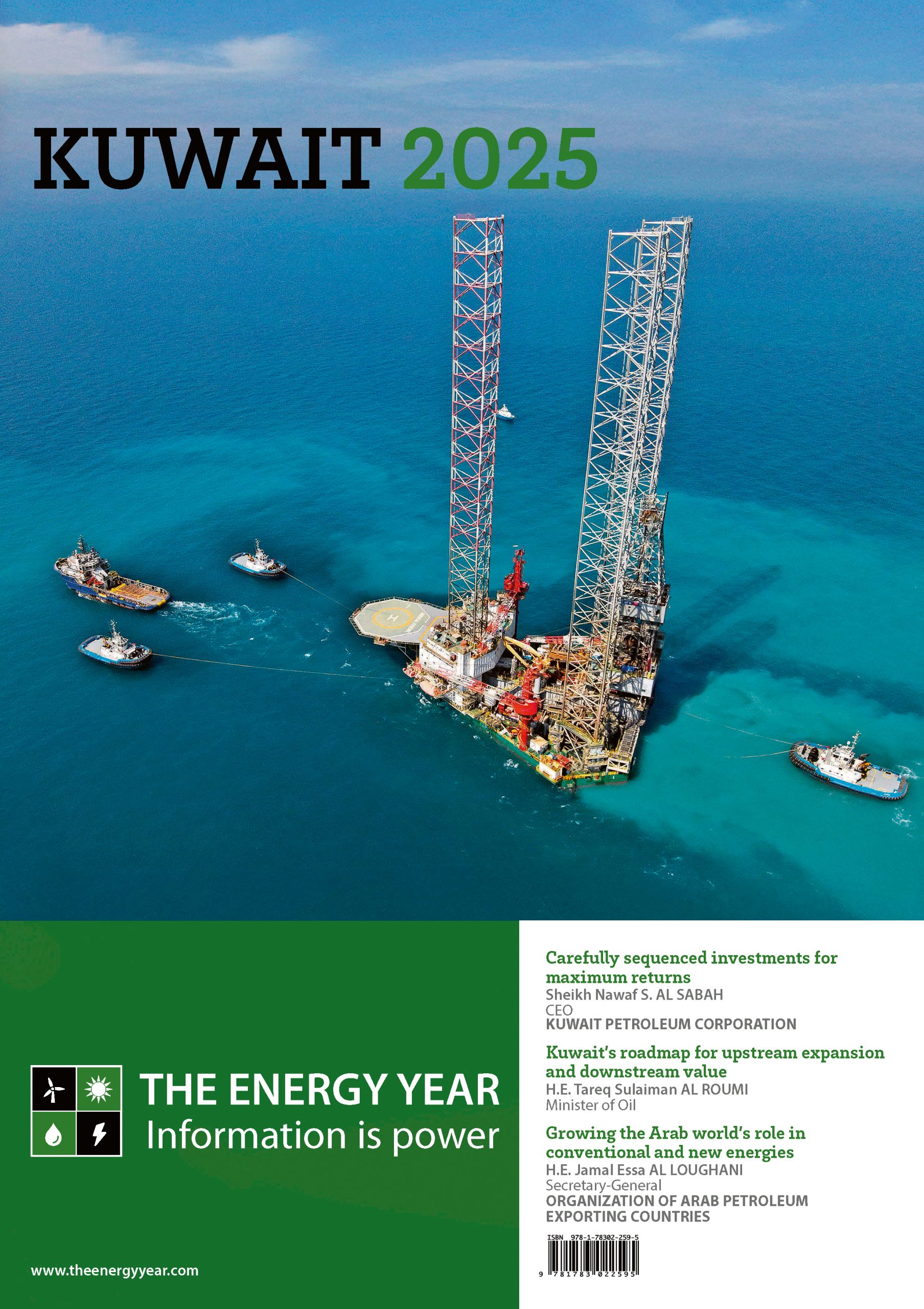
The Energy Year Kuwait 2025
The Energy Year Angola 2025
The Energy Year Nigeria 2025
The Energy Year Saudi Arabia 2025
The Energy Year UAE 2025

