
Kuwait’s sun rises for PV technology
August 1, 2024 Kuwait


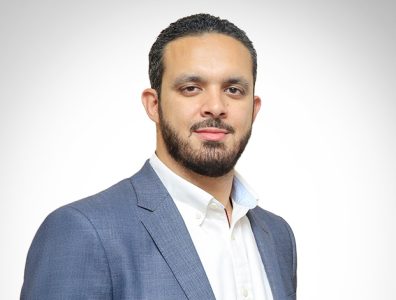
Ahmed Abdel Rahman, operations director for Clenergy MENA, talks to The Energy Year about the need for clearer renewables legislation in Kuwait and the economic significance of large-scale projects such as the Shagaya Renewable Energy Park. Clenergy MENA is an EPC firm that provides supply, consulting and contracting services for renewable energy projects.
How do you see the renewables sector in Kuwait evolving in the next few years?
The renewable energy sector has seen significant progress and our company has witnessed notable advancements in the past two or three years. New targets are being set by the MEWRE [Ministry of Electricity & Water & Renewable Energy], which has also announced additional incentives for renewables installations in households. I believe the official plan aims for around 30% of electricity production to be sourced from renewables by 2030. As an EPC company, it is encouraging to see proactive initiatives from the government.
Demand is set to increase for several services, but one area that is gaining special attention is operations and maintenance. Due to improper oversight and a lack of official maintenance contracts, issues have arisen with some of the systems already installed. It’s akin to neglecting the upkeep of regular service to a valuable asset such as a car. Over time, the asset deteriorates. We’ve observed this first-hand on several projects we completed years ago, so we are emphasising operations and maintenance along with our EPC services.
What are the main barriers to the adoption of alternative energy sources in Kuwait, and what do you propose to overcome them?
There are significant challenges. Legislation is of paramount importance, as numerous grey areas remain that make it difficult for players to choose a methodology for implementing projects. Also, unlike neighbouring countries, Kuwait lacks a comprehensive framework for selling electricity to the grid.
Another challenge is the scarcity of talent in the field. When we began operating several years ago, there was a shortage of individuals with relevant experience, which required sending people abroad for training or relying on international manufacturers to conduct training here. Building expertise took time.
Electricity prices are heavily subsidised in Kuwait, and subsidised electricity discourages the exploration of alternative sources. Government projects are mandated to incorporate at least 10% renewable sources but, beyond these projects, there are minimal incentives. Reducing subsidies could stimulate interest in alternative sources.
Historically, renewable energy tenders have been relatively limited. However, we have recently observed a notable increase in the number of tenders floated for solar PV projects, which is promising.
How does your company differentiate itself from the competition?
What sets us apart is our focus on both sides of the energy equation: generation and consumption. On the generation front, we provide capabilities for producing electricity from renewable sources. Simultaneously, we address the demand side, helping our clients minimise consumption wherever possible. For instance, we can reduce energy usage through adjustments to HVAC, lighting and other systems, while generating power from an alternative and clean source, giving an optimum sweet spot for energy usage. We look at both sides for a better overall result.
How do you see yourselves participating in Kuwait’s higher-profile projects?
We are a medium-sized company that has worked on generation systems for a total of around 15 MW.
Clearly, projects like Shagaya are immensely significant for our company and the entire energy industry, as they involve multiple players including designers, developers and contractors. They have the potential to stimulate growth and innovation throughout the market. We are keen on participating in such projects and look forward to such opportunities. Shagaya’s emphasis on solar PV technology aligns with our expertise, and we are open to exploring other potential solutions if a project requires them.
What can the government do to help steer energy consumption away from hydrocarbons?
Kuwait is blessed with abundant sunlight, yet we’re not fully harnessing its potential. With the right initiatives, we can utilise this free resource to power buildings, schools and even roads. Mandating a minimum of 10% of power from renewable energy sources is a positive step forward towards reducing energy costs and addressing Kuwait’s electricity shortage, and it lays the foundation for other, longer-term benefits.
What are the main sectors that Clenergy MENA caters to and what is your international reach?
We are proud to say that we have worked with a majority of the government entities in Kuwait, including the MEWRE, Public Authority for Housing Welfare and the ministries of defence, public works, education, health, justice, finance and interior, as well as the Amiri Diwan of the State of Qatar and the Kuwait National Guard. We work in the oil and gas sector but have also carried out solar installations for educational institutions such as Kuwait University and various public and private schools. Additionally, we’ve had numerous design contracts and partnered with developers and consulting firms.
Our reach extends beyond Kuwait, as we’re involved in projects in Egypt and Saudi Arabia. We have a branch in Toronto, Canada, that will soon be operational, and we anticipate opening a branch in Riyadh within a year to meet the rising demand for design and installation services driven by the country’s numerous large-scale projects. Penetrating the Saudi market will be challenging, but the conditions are promising and we’re confident that we can leverage our expertise.
Read our latest insights on:
More content from Kuwait





Quality seismic decisions for Angola
INTERVIEW
Latest news and features



Latest Reports


The Energy Year Oman 2026
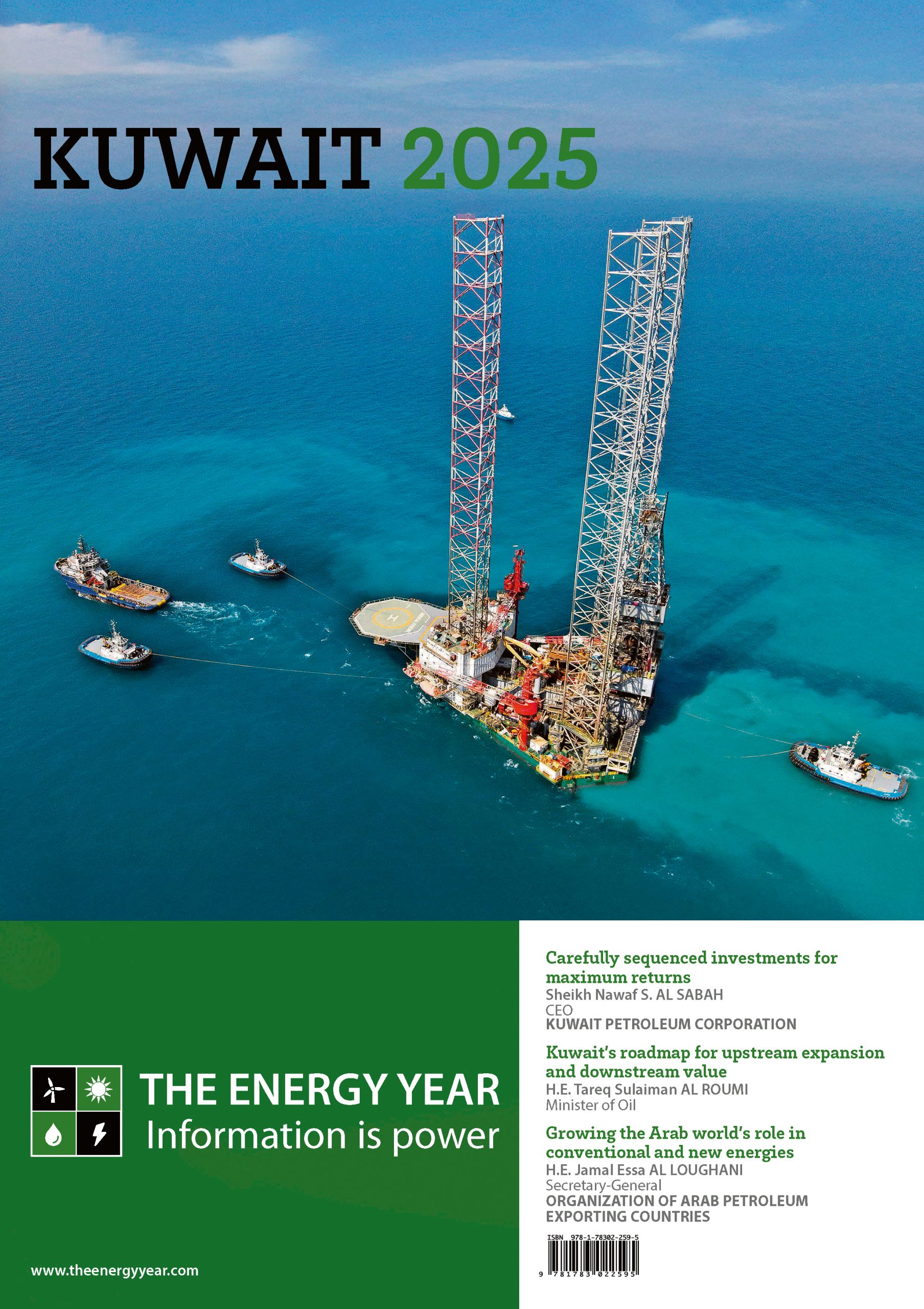
The Energy Year Kuwait 2025
The Energy Year Angola 2025
The Energy Year Nigeria 2025
The Energy Year Saudi Arabia 2025
The Energy Year UAE 2025

