

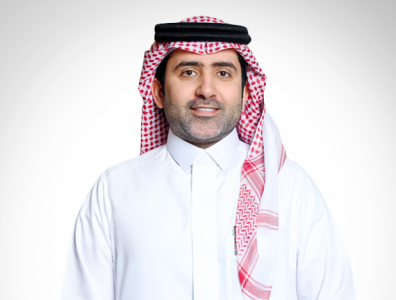
Logistics for Saudi Arabia’s non-oil pursuits
December 3, 2024 Saudi Arabia


Mohammed Al Naimi, CEO of ACT Group, talks to The Energy Year about supporting Saudi Arabia’s ongoing mega-projects and the company’s drive to capture logistics and supply chain efficiencies by harnessing new technologies. ACT Group is a consolidated trading company that provides equipment and services to the manufacturing, heavy industry and industrial cleaning markets.
What was the reason behind the creation of ACT Logistics, and how do you see the company evolving?
The creation of ACT Logistics stemmed from the need to address gaps in efficiency and services in the logistics industry. Companies seek to improve supply chain management, reduce costs or enhance delivery times, and traditional logistics providers are often not able to supply adequate solutions.
Over the past year, ACT Logistics’ operations have evolved to adapt to market demand and technological advancements. This has included an increased focus on sustainability, digital logistics tools and innovative construction techniques.
Looking ahead, I see ACT Logistics continuing to grow by leveraging technology to address industry pain points such as labour shortages, rising operational costs and low productivity. Automation, AI and real-time tracking systems will likely play a big role in further enhancing efficiency. The company’s ability to provide customised, cost-effective solutions will also position it well to meet the evolving needs of clients who demand faster, more reliable and environmentally conscious logistics services.
As ACT Logistics continues to invest in innovation, I believe it will remain at the forefront of shaping the logistics landscape, driving efficiency, customer satisfaction and sustainability across the industry.
How does ACT Logistics utilise technology to gain a competitive edge?
We are particularly proactive in adopting digital logistics tools, such as real-time fleet management systems, automated warehouse management and predictive analytics. These technologies enhance operational efficiency and reduce costs, setting us apart from competitors who may still be transitioning to digital solutions.
At the same time, our emphasis on sustainability, including the use of electric vehicles and alternative fuels, aligns us with broader industry trends towards greener logistics. This focus helps us meet regulatory requirements and distinguishes the company from others that may not prioritise their environmental impact as much.
ACT Logistics is well-positioned to further evolve by incorporating automation and AI into its operations. These technologies will allow for even greater streamlining of processes, such as robotic sorting, automated inventory tracking and AI-driven route optimisation, further reducing costs and improving service.
We offer eco-friendly logistics solutions, such as carbon-neutral shipping and sustainable packaging, and flexible options that can combine air, sea and land transportation for cost-effective shipping. We are also making our last-mile delivery solutions more efficient and are planning to incorporate electric vehicles.
What is the current status of ACT’s contracts with Aramco, and what has been their feedback on your work with them?
Our work with Aramco focuses on enhancing their supply chain, primarily through localisation initiatives under Aramco’s In-Kingdom Total Value Add (IKTVA) programme, which aims to bolster the local supply chain by fostering technology transfer within Saudi Arabia.
Aramco has consistently praised our role in supporting these goals, particularly the logistics and supply chain management improvements we have delivered. ACT Logistics has played a crucial part in several of Aramco’s procurement initiatives, and we expect our success will pave the way for future collaborations.
In what areas do you see potential for greater collaboration with Aramco?
The future of ACT Logistics’ collaboration with Aramco looks promising, given our alignment with their strategic goals. The Vision 2030 agenda seeks to diversify the economy and reduce its dependency on oil exports, and ACT can play a vital role in supporting growth sectors such as renewable energy and infrastructure, particularly as regards transportation networks, urban developments and public utilities.
Aramco emphasises local partnerships, and this can bring us opportunities to grow our footprint in Saudi Arabia by participating in mega-projects such as NEOM, Qiddiya and The Red Sea project, which are central to the kingdom’s Vision 2030 agenda. By partnering with these developments, ACT can support the growing demand for logistics outside the oil and gas sector.
With localisation and sustainability in mind, how is ACT planning to leverage growth in the non-oil economy to strengthen its market position in Saudi Arabia?
Given the drive for localisation under the IKTVA programme and broader Saudi industrial initiatives, ACT could focus on establishing more logistics hubs, warehousing solutions and distribution centres locally. By diversifying into these new sectors and focusing on sustainability and technology, ACT can take advantage of the anticipated growth in Saudi Arabia’s non-oil economy, and enhance its competitive edge.
How is ACT positioned to capitalise on Vision 2030’s aim to position Saudi Arabia as a regional logistics hub?
Vision 2030 has driven massive infrastructure investments, such as new ports, airports, railways and road networks. ACT has directly benefited from this, as the upgraded infrastructure allows for more efficient logistics operations and better regional connectivity.
Saudi Arabia’s location between Europe, Asia and Africa gives it a natural geographic advantage. In the context of ongoing investments in port infrastructure, air cargo capabilities and rail networks, ACT can leverage its logistics expertise to integrate these assets into a cohesive and efficient system.
Vision 2030 seeks to diversify the economy away from oil, and ACT has already been expanding into sectors such as renewable energy, construction and tourism, which are growing rapidly and will require sophisticated logistics operations. ACT can be a crucial facilitator in the supply chains of these emerging industries.
What are ACT’s main objectives and growth prospects?
ACT Logistics has several objectives for 2025 and beyond that align with Vision 2030. They focus on leveraging new technologies, improving operational efficiency, and expanding our market presence. One of our primary objectives is to fully embrace digital transformation and implement AI-driven supply chain optimisation and tracking technologies.
We are targeting growth in non-oil sectors such as renewable energy, e-commerce, construction and tourism. These sectors are critical to Saudi Arabia’s diversification objectives, and we are positioning ourselves to support them by offering tailored logistics services, in part by strengthening our partnerships with key players from the public and private sectors.
ACT Logistics’ future objectives are centred around growth, innovation, sustainability and technological advancement. By strategically expanding its regional and global footprint, tapping into new industries and continuing to adopt cutting-edge technologies, ACT is positioned to capitalise on Saudi Arabia’s Vision 2030 and broader regional trends. With a focus on sustainability, smart logistics and industry diversification, ACT Logistics is well-equipped to drive the future of logistics in Saudi Arabia and beyond.
We also have plans to establish partnerships in regional markets across the GCC and Africa and leverage Saudi Arabia’s growing status as a logistics hub.
Within the global push towards sustainability, ACT’s future strategy includes a focus on green logistics. By investing in electric vehicles and carbon-neutral warehousing, and by optimising transport routes to reduce emissions, we aim to lead the logistics sector in Saudi Arabia in terms of environmental responsibility.
We are also investing in training programmes and workforce development initiatives for Saudi nationals to enhance their skills in logistics, supply chain management and related areas. ACT is committed to increasing its IKTVA score by sourcing more materials and services locally and continuing to develop and employ Saudi nationals. Saudisation will remain a core component of our strategy.
Read our latest insights on:
More content from Saudi Arabia







Quality seismic decisions for Angola
INTERVIEW
Latest news and features




Latest Reports


The Energy Year Oman 2026
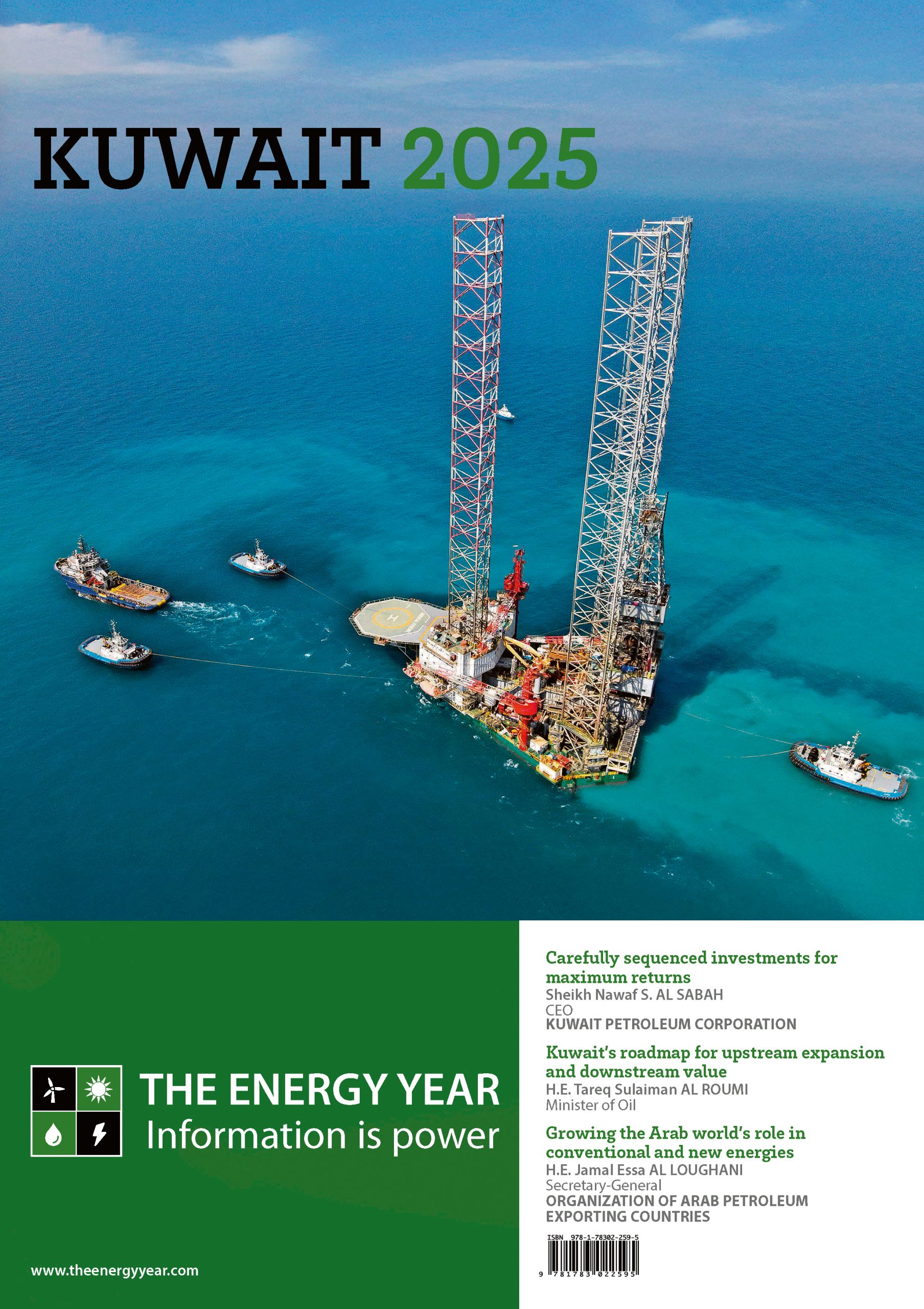
The Energy Year Kuwait 2025
The Energy Year Angola 2025
The Energy Year Nigeria 2025
The Energy Year Saudi Arabia 2025
The Energy Year UAE 2025

