

New prospects for a longtime operator in Kuwait’s offshore
October 7, 2025 Kuwait


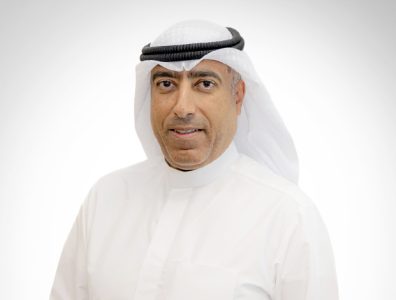
Maen Razouqi, CEO of International Marine Construction Co. (IMCC), talks to The Energy Year about opportunities emerging from reinvigorated development plans at the Dorra offshore field and the key role of robust supply chains in regional expansion. IMCC provides maritime design, engineering and repair services to the energy and infrastructure industries.
In 2024, IMCC secured a 15-year contract from Khafji Joint Operations (KJO) for offshore services. Can you comment on the significance of this project?
KJO is not just another client – IMCC was created primarily to provide services in KJO’s offshore fields in the Partitioned Zone. Without KJO, there would be no IMCC today. We have been with them from the start, so this relationship is very deep-rooted. Over the years, we have executed various contracts with them, but the recently signed 15-year agreement is the largest and most transformative to date. It coincides with the long-awaited development of the Dorra field, which had been the subject of bilateral discussions for years.
With both Kuwait and Saudi Arabia now fully committed to developing Dorra, the field is expected to become a central offshore asset in the region. The field development plan will be managed by KJO, which puts us in a strong position. This contract not only solidifies our presence but also aligns us with one of the region’s most significant offshore growth opportunities. It is a long-term strategic engagement that places IMCC at the heart of a major cross-border energy initiative.
How does the contract fit into your overall strategy, and what specific services will IMCC be delivering?
Our operational philosophy today is simple: if it is on water or under water, we do it. That includes everything from surface construction to subsea inspection and maintenance. The KJO contract essentially tasks us with delivering full-spectrum marine services, including operations with barges and offshore support vessels (OSVs), diving operations, dredging and more.
But we are not stopping here. We are also looking at port construction and port management, which are natural extensions of our capabilities. Kuwait’s port development plans — such as Mubarak Al Kabeer Port — present huge opportunities. We aim to move beyond building and maintaining marine infrastructure to operating and managing it, and to offering services such as ship traffic control.
We are keen on the port management space and are also looking to begin leasing operational space for maritime companies. In essence, we want to become an integrated maritime services provider – not just a contractor, but also an asset manager, operator and innovator.
Within this diversification, how are you planning to grow your fleet and workforce to support new activities?
Today, our core fleet includes two crane barges – of which one is undergoing repairs – and four OSVs that will soon become six. OSVs are critical because they serve as support for larger barges. The mothership stays at a safe distance, while the support vessels do the front-line work.
We are planning to add six or seven new vessels in the next investment cycle, including diving, small transport and painting boats. This will give us more flexibility and capabilities for specialised operations. We are also studying how to serve the Kuwait Naval Force, which is a services segment that remains largely untapped.
Our business is capital-intensive. A single barge can cost up to USD 100 million, and delivery can take years. Therefore, we are evaluating a hybrid model of ownership and leasing similar to what you see in the airline industry, where the vast majority of planes are leased. We believe we can operate more flexibly through leasing models that allow us to respond quickly to market demands while minimising financial risk.
IMCC formed an offshore energy services joint venture with Dulsco Qatar in September 2025. Is it reflective of a broader regional growth strategy?
The joint venture with Dulsco Qatar is a move into what we call a white-space market – a region where we previously had no presence. Dulsco Qatar is already an established player in oil and gas, though not yet in maritime services. The partnership brings us into Qatar with a trusted local partner, helping us to overcome entry barriers and grow quickly.
It is also just the beginning. We have another, much bigger announcement coming soon, potentially at ADIPEC 2025, that will further cement our regional leadership. Our ambition is to evolve from Kuwait’s number one marine company into the Gulf’s number one marine company. Not just by winning projects, but also through partnerships in key markets.
Saudi Arabia was a natural first step; now we are entering Qatar; next, we are looking at the UAE, a market with significant offshore and port infrastructure needs. Beyond that, Egypt offers regional depth, and Southeast Asia is particularly interesting.
Our approach in new markets is to work with NOCs to enter them and to partner with the private sector to scale. Entry is about strategic alignment; expansion is about market performance. The Gulf offers immense potential. Despite geopolitical complexity, the opportunities are unmatched.
What are the biggest challenges to expanding your business in the region?
The biggest challenge to successful regional expansion is the supply chain. You can have the capital, but if you cannot secure equipment or vessels on time, you will lose the contract or suffer financially. It can take up to six years to build a barge, and no client is going to wait that long.
With global maritime cargo movements projected to grow 14% per year over the next decade, supply chain constraints will only tighten. In that context, the Gulf becomes even more attractive for business. But such growth brings risks, and we need to navigate them with agility and efficiency. That is why partnerships or acquisitions are critical.
Read our latest insights on:
More content from Kuwait





Quality seismic decisions for Angola
INTERVIEW
Latest news and features


Latest Reports


The Energy Year Oman 2026
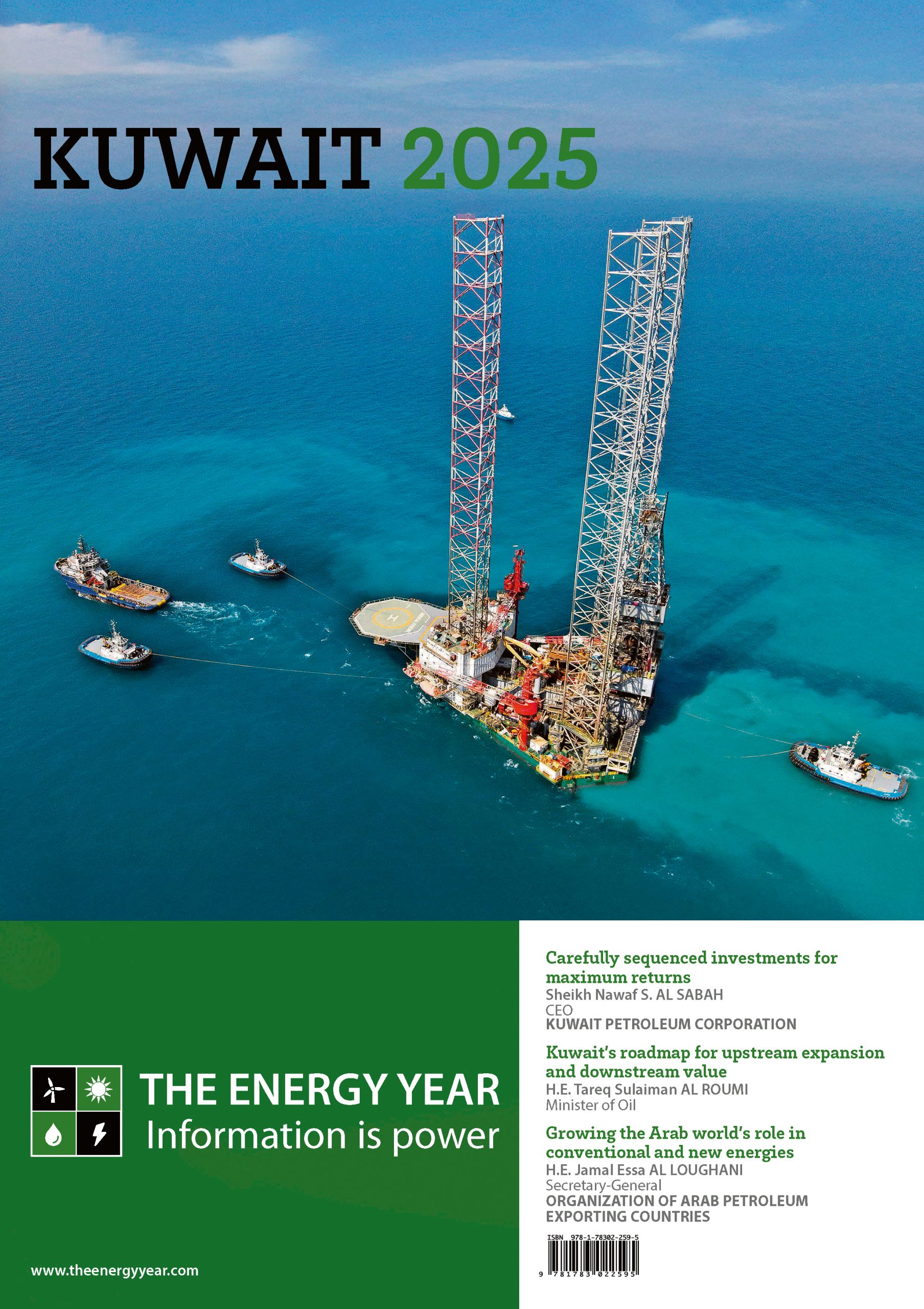
The Energy Year Kuwait 2025
The Energy Year Angola 2025
The Energy Year Nigeria 2025
The Energy Year Saudi Arabia 2025
The Energy Year UAE 2025

