
Out for growth across Saudi Arabia’s energy segments
November 26, 2024 Saudi Arabia


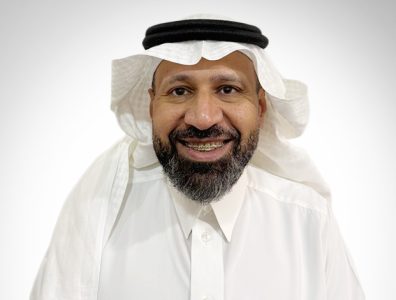
Bassam Bamagous, chairman of the board of Advanced Precision Industrial Services (APS), talks to The Energy Year about developing products and services to participate in infrastructure projects in Saudi Arabia and the company’s upcoming rebranding. APS is a technology company specialising in precision machining and engineering for the energy, aerospace and defence industries.
How have you structured your business lines to meet the diverse needs of the oil and gas and power sectors, and what role does each line play?
Our product lines are expanding. We have decided to grow our process equipment offering by adding tanks, pressure vessels, modular skids, pipe spools, steel structures and scrubber skids. Around 90-95% of this equipment is for the oil and gas sector.
We also have a machining business. It was APS’s original business and is now a profit centre that provides advanced machine services both internally and to external customers. We have ordered fully automated CNC [computer numerical control] machines, and 80% have already been delivered.
Our third business line is electrical and instrumentation, which serves the oil and gas sector and, in the power utility segment, medium voltage distribution equipment, primarily to the SEC [Saudi Electricity Company]. Additionally, we offer HVDC [high-voltage direct current] transmission equipment in partnership with RXHK, a pioneering, privately owned Chinese HVDC company that is known worldwide. They have secured a major contract from an EPC contractor, and our electrical and instrumentation business line will work with them.
Finally, our automation business covers the oil and gas sector, but its primary focus is power utilities. Our main clients are major EPC contractors, such as ABB and Siemens. We provide them with full automation systems, including control, protection and relay panels.
Can you share some details about the company’s upcoming rebranding?
We are currently working on rebranding the company – our logo, slogan, website, LinkedIn page and internal and external messaging. We’ve already started, but we aren’t formally announcing the new identity just yet, as it’s not finalised. We prefer to align the announcement with the formal opening of our new factory, which is currently partially operational, in December 2024 or January 2025.
The new branding aims to reflect our focus on the energy market, and our new logo is designed to represent our presence across all energy segments. We aim to be in renewable energy, oil and gas, power generation and power transmission, as well as other segments.
We are still evolving, and we’re not fully ready to provide all these products, but we are technically prepared. We hope to announce the full range of products and services, and our complete rebranded identity, soon.
What impact will Aramco’s approval of your new mechanical and process equipment have on your business growth?
The mechanical products and process equipment we are planning to add are still pending full approval by Aramco. They meet all the technical requirements and quality standards, and ideally, the process will be complete by mid-2025. If they do receive approval, it will almost double our numbers.
Does APS have any involvement in the Master Gas System project?
The demand for our products is going to be significant, but we are racing against time because the products requested for this project still require approval. Time will be tight, particularly for the fabrication of skids.
Is it challenging to remain competitive in the crowded market for skids?
Competition is high. For the products we focus on, there are more than 40 approved manufacturers listed by Aramco. Of those, I’d say at least 10 are actively competing for business, and more manufacturers keep arriving. With the manufacturing cycle for skids averaging 12-18 months, all vendors, including ourselves, are eager to secure projects for delivery in 2025. Some competitors are highly aggressive with pricing, which can make the market challenging.
Do you have plans to export your products outside Saudi Arabia?
Geographical expansion is part of our roadmap, but it is not an action item for now. We believe we need more time to get all our products and services approved domestically. Our priority is to establish a strong, stable presence in Saudi Arabia with top-level references such as the SEC, Aramco, Ma’aden, Marafiq and other major state-participated companies. When we do expand, the GCC will be our focus, but we won’t start pursuing that milestone this year, or the next.
What is your assessment of the Made in Saudi programme being led by the Saudi Export Development Authority?
The Made in Saudi branding is very important. Our approved products bear that distinction, and our new products will bear it as well. Generally, being approved in Saudi Arabia for oil and gas business provides a significant advantage for obtaining approvals in other sectors or in countries such as the UAE, Qatar or Kuwait. Standards in Saudi Arabia are generally higher, which is an advantage. Being approved here will help our exports when we arrive at that phase.
What are the next steps in your diversification strategy?
Currently, our comfort zone is working for Aramco and focusing on oil and gas. We want to move beyond that over the next five years. We want to grow in the market for services to public utilities, as several projects are planned to expand the country’s substations and power connectivity.
Our automation capabilities will enable us to serve not only power utilities but also water utilities, as water plants have extensive requirements for automation and SCADA in their control rooms. Saudi Arabia is making significant investments in its water sector as well. We also plan to support infrastructure projects with general fabrication services. Our strategy is about diversifying our products, expanding our client base and engaging with different market segments.
Read our latest insights on:
More content from Saudi Arabia







Quality seismic decisions for Angola
INTERVIEW
Latest news and features



Latest Reports


The Energy Year Oman 2026
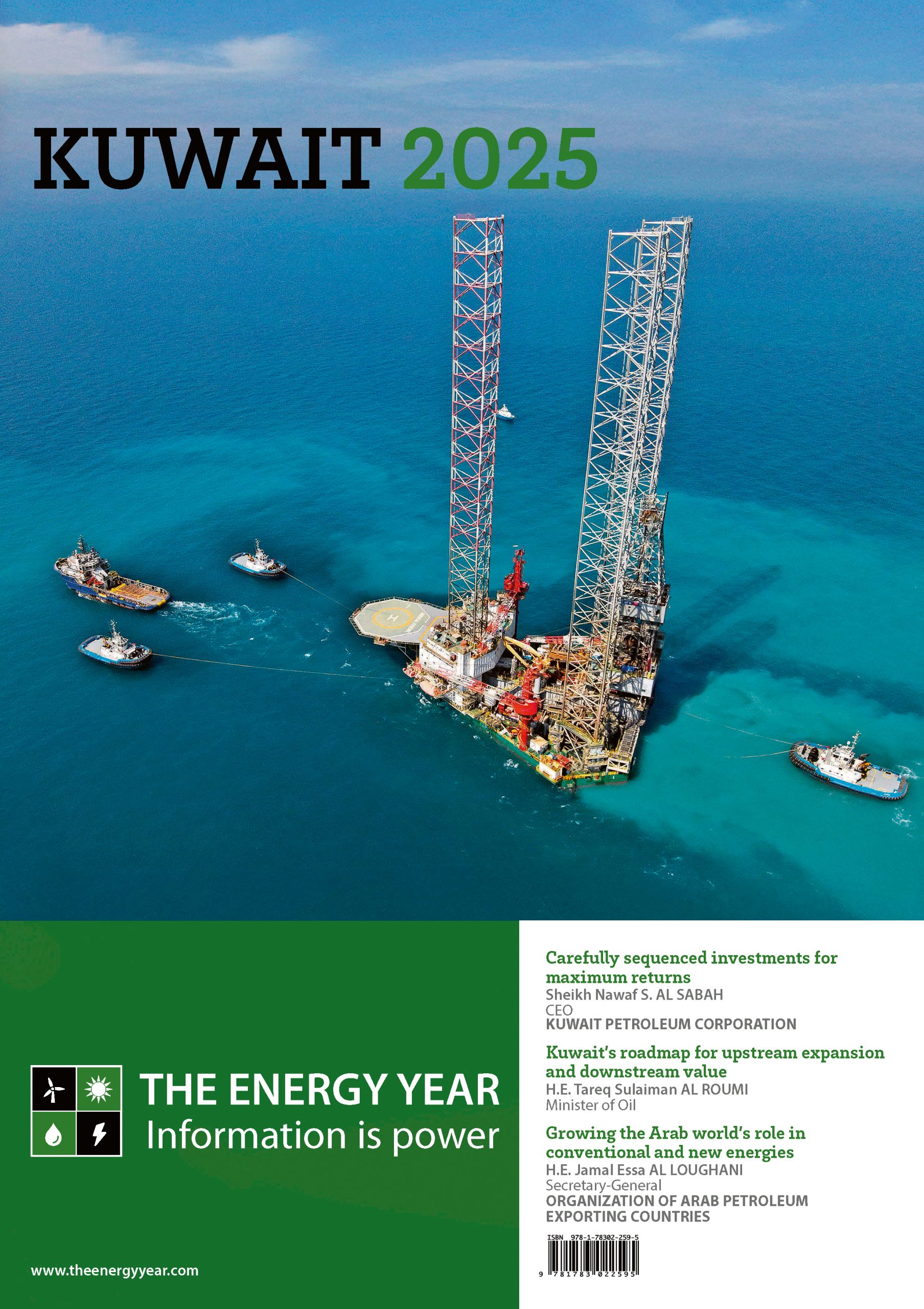
The Energy Year Kuwait 2025
The Energy Year Angola 2025
The Energy Year Nigeria 2025
The Energy Year Saudi Arabia 2025
The Energy Year UAE 2025

