
PwC aims for a sustainable future in Angola
May 14, 2025 Angola


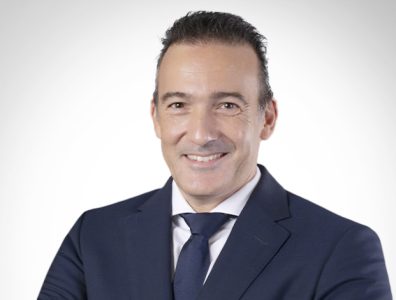
Ricardo Santos, country senior partner for PwC Angola, talks to The Energy Year about how the firm has evolved in Angola, its sector-specific teams, its involvement in Angola’s oil and gas sector and its digital transformation services. PwC is a network of firms in 152 countries with nearly 328,000 people delivering assurance, advisory and tax services.
How has PwC Angola been evolving in recent years?
PwC has been in Angola for over four decades, building a robust local presence by hiring and training top talent from local universities, while complementing our team with experienced professionals from other offices when needed. Our team consists of more than 170 professionals, over 90% of whom are Angolan. We provide the full range of PwC services – assurance, tax and advisory – to both local and international clients.
We cover the entire energy value chain, and this has helped us solidify a leading position in the sector. Our local expertise is enhanced by PwC’s global network, allowing us to bring deep industry insights and best practices to our clients.
Can you tell us about your dedicated teams for key sectors such as energy and mining?
While Angola’s market size doesn’t justify full-scale sector-specific departments, we do maintain industry-focused teams for major sectors such as energy, mining and financial services. These teams benefit from insights and knowledge shared across our global and regional networks.
Being part of PwC Portugal’s regional network – which includes Angola, Cabo Verde and Mozambique – enables us to share resources, experience and talent. This is especially helpful for sectors such as oil and gas, where cross-border knowledge is essential.
What has been PwC’s recent involvement in Angola’s oil and gas sector?
The sector has faced a tough decade, with low oil prices and a pandemic-induced slowdown reducing production. Natural declines in mature fields and unplanned maintenance further affected output. In response, companies have had to rethink operations.
This has led to growing demand for our advisory services, particularly in digital transformation. We’ve helped clients integrate AI and automation, upskill their workforce and manage the associated risks, such as cybersecurity and data governance. Outsourcing has also become a key strategy for improving efficiency, with companies entrusting us with internal functions such as accounting, tax compliance and internal auditing.
Is digital transformation now the most sought-after service?
Technology and AI are absolutely at the forefront. Companies are seeking efficiency and resilience through innovation. Looking ahead, ESG is emerging as another major area of focus. It’s already at the top in many countries, and we expect Angola to follow suit soon, especially as regulatory and stakeholder pressure increases.
How are Angolan companies responding to ESG demands?
ESG is gaining awareness, but it hasn’t been a historical priority in Angola. The country has faced significant economic challenges, so ESG hasn’t received the same emphasis as in more developed markets.
Although legislation exists, practical enforcement and implementation lag behind. The ecosystem needed to support ESG transformation, from suppliers to service providers, is still developing. However, awareness is rising, especially due to multinational presence and shifting public opinion. Younger generations and global headquarters are driving that change.
Tell us about your work in renewables and mining.
According to our 2024 Africa Energy Review, clean power in Africa is expected to reach 25%, and Angola is aiming for at least 8% of its energy to come from solar and wind by the end of this year.
We already work with solar and biomass energy clients, helping them with compliance, policy guidance, capacity building and financial reporting. We’re also building expertise in these sectors and leveraging our global network to attract investors with technology and funding. In mining, Angola holds 36 of the 51 most critical minerals globally. Historically, the focus in the country was on diamonds, but we now see diversification and new investor interest.
What challenges do mining companies face in Angola?
Mining operations are often remote, with limited infrastructure. Companies must provide electricity, water, healthcare and more, which adds logistical complexity. There are also health risks and communication challenges. Historically, mining firms focused on operational continuity rather than ESG or community relations.
However, many have made significant contributions to local communities, such as building schools and clinics, but they have not communicated these impacts effectively. There’s also a need for improved data analytics, AI adoption and transparency, all areas where we’ve provided support.
What’s your view on Angola’s new incremental production legislation?
This new regulation is a smart move by the government to attract investment into mature fields, many of which are over 20 years old and have produced more than 70% of their reserves. The legislation offers better fiscal terms for incremental production and could add 500 million barrels to the national output, extending field lifespans by up to 20 years.
It’s a positive development, especially as regional competitors, such as Namibia, are drawing investor interest. In short, Angola is now better positioned to make lower-potential assets economically viable.
What are your strategic priorities for PwC Angola moving forward?
Globally and in Angola, our strategy is anchored on two key pillars: building trust among stakeholders and delivering sustainable outcomes. As Angola navigates global volatility, from climate change to geopolitical shifts, we want to help companies remain relevant and competitive. Our goal is to be a premier advisory partner by leveraging advanced technologies, especially AI, and driving transformative business processes.
We’re investing heavily in people and platforms such as SAP and Microsoft solutions, and we’re seeing significant demand in the financial sector. Ultimately, we aim to be at the forefront of enabling a sustainable future for Angola, where renewables and traditional energy can coexist and businesses thrive through innovation and resilience.
Read our latest insights on:
-

Quality seismic decisions for Angola
INTERVIEW -

-

More content from Angola

Quality seismic decisions for Angola
INTERVIEW
Latest news and features



Latest Reports


The Energy Year Oman 2026
The Energy Year Kuwait 2025
The Energy Year Angola 2025
The Energy Year Nigeria 2025
The Energy Year Saudi Arabia 2025
The Energy Year UAE 2025

