
Trenchless tunnelling in Kuwait and beyond
September 2, 2024 Kuwait


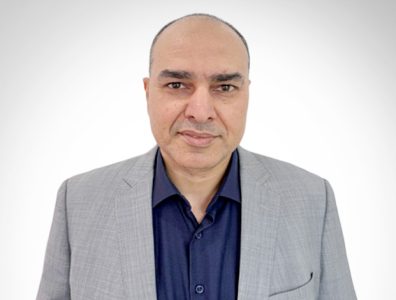
Rabie Ruziek, general manager of Terranaut Technology, talks to The Energy Year about introducing advanced equipment to Kuwait for horizontal drilling and the company’s expansion plans in Saudi Arabia. Terranaut Technology is a Kuwaiti trenchless construction company.
What strategies are you implementing to diversify your service portfolio and revenue streams?
We have not expanded our activities significantly yet, but we aim to incorporate additional services domestically and in Saudi Arabia because our core markets have been slow. We are already involved in micro-tunnelling and have valuable assets, but we are eager to extend into civil and mechanical works. Having a wider portfolio will enable us to generate steady revenues when market conditions are weak in some of our service segments, and it will open up possibilities to operate as a full-service firm instead of just contractors or subcontractors.
What are the critical aspects of your current project for the replacement of the gas pipeline from the Saudi Arabian border to the Mina Al Ahmadi refinery?
Under bidding, the contract for this project was valued at nearly KWD 500,000 [USD 1.6 million] for the pipeline corridors and road crossings alone. Trenchless work is complex in itself and this connection is of critical importance, but our work area is particularly challenging due to the presence of groundwater and the need to cross existing KOC pipelines and other facilities, some of which are around 60 years old. The most critical aspect of this project will involve the crossing of 40 roads along the approach to the Al Zour and Al Ahmadi refineries.
Did you face similar challenges in the pipeline repair project you recently completed for KNPC?
That project for KNPC involved pipeline repairs and the completion of a crossing from Al Ahmadi to the KNPC facilities. We have carried out such work many times under contract with Hyundai, Mark Technologies, Alghanim International and HEISCO. The techniques we used were microtunnelling, at a diameter of 52 inches, and HDD [horizontal directional drilling] at diameters from 12 to 48 inches for the installation of optic fibre and various pipeline sleeves.
Can you provide an overview of the Master Gas System (MGS) project in Saudi Arabia and how you plan to be involved?
The MGS is a network that connects Aramco’s production and processing sites, and it involves a pipeline extending from the Gulf to the Red Sea. The project has been divided into 14 sections which Aramco will assign to different companies, and we are one of the bidders. I am in contact with international EPC companies such as Fluor, Hyundai, Larsen & Toubro and the Dodsal Group, and Kuwaiti players such as Alghanim International, Almeer and others.
This is a mega-project that extends through Saudi Arabia as well as parts of Iran and other neighbouring countries. Its total value exceeds KWD 25 billion [USD 81.3 billion], and the objective is to create a direct route for transporting gas to the Red Sea, avoiding potential issues in the Gulf. Aramco has been planning it for a long time and it is now starting to move forward.
Have you introduced any new technologies to improve your horizontal drilling capabilities, and what specific advantages do they bring?
This year, we introduced the Mag Series locating systems to the GCC market. It is an underground magnetic tracking system that can help us navigate at depths of up to 90 metres. This equipment surpasses the capabilities of previous systems and is very helpful for HDD.
It extends our reach in depth and length and allows us to tackle road crossings without having to stand on the road itself, unlike previous methods that required us to walk along the centre line to gather subsurface information. It also helps us monitor our performance and make better drilling records. Deviations from the planned tunnelling path are immediately flagged, so mistakes can be addressed straight away. Additionally, it helps to ensure that our devices and machines remain in good condition.
How do you ensure your company meets Aramco’s stringent standards and timelines while expanding operations into Saudi Arabia?
Aramco standards may differ significantly from those here, and external companies must meet them to get opportunities. They enforce strict timelines and demand high-quality work. In Kuwait, we often secure jobs thanks to our reputation for completing projects quickly and to high standards, so we are confident in our possibilities in Saudi Arabia.
We are already preparing and have registered a branch in the country. We have brought some rigs from Egypt and positioned them nearby, ready for deployment as soon as they are needed. Last year, we brought a 72-tonne rig and a 150-tonner. We also maintain a rental contract in Qatar to ensure readiness and continuous maintenance for rigs.
Read our latest insights on:
More content from Kuwait





Quality seismic decisions for Angola
INTERVIEW
Latest news and features



Latest Reports


The Energy Year Oman 2026
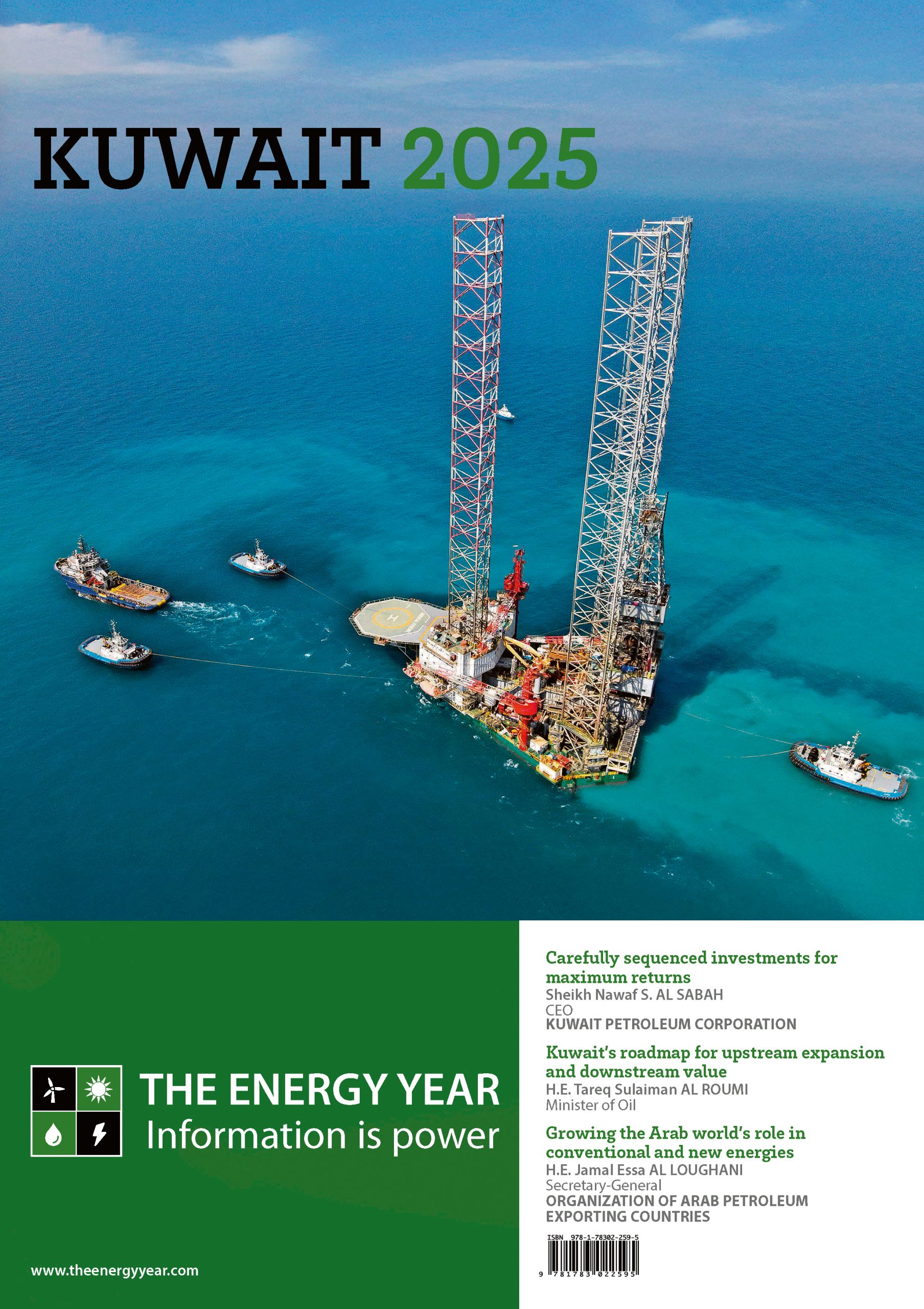
The Energy Year Kuwait 2025
The Energy Year Angola 2025
The Energy Year Nigeria 2025
The Energy Year Saudi Arabia 2025
The Energy Year UAE 2025

