
Turnkey solutions for the Saudi power and water sectors
December 10, 2024 Saudi Arabia


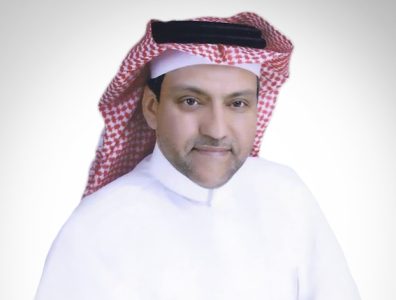
Mohammed Almousa, executive director of Rezayat Industrial Cluster, talks to The Energy Year about the positive impact of Saudi Arabia’s giga-projects on the power and water sectors and the Group's ambitious five-year growth plan. Rezayat Industrial Cluster is a subdivision of the Rezayat Group that offers equipment repair, refurbishment and overhaul services for the oil and gas, water, power and industrial sectors.
How do the companies within the Rezayat Industrial Cluster complement each other, and how does this benefit your clients?
There’s a strong synergy among the companies in our cluster. SAECO [Saudi Arabian Engineering Company] is a major player in the services sector, especially in power and water, while SAFAMI [Saudi Arabian Fabricated Metals Industry] focuses on manufacturing heavy structures such as pressure vessels and piping spools for plants.
By combining SAECO’s on-site services with SAFAMI’s manufacturing capabilities, we provide a more comprehensive solution to our clients. SAFAMI also specialises in building skids – integrated systems that require metalwork and instrumentation – which we handle entirely in-house. This collaboration allows us to offer full, turnkey solutions without the need for clients to manage different suppliers, simplifying their projects significantly.
What are some of your current projects, and how do they contribute to the localisation push, particularly under the In-Kingdom Total Value Add (IKTVA) programme?
We are involved with Saudi Aramco on projects such as Jafurah and Amiral, with our manufacturing base in Jubail operating at full capacity. SAFAMI is focused on oil and gas projects, while SAECO is working in the power and water sectors, where there’s a big emphasis on improving plant reliability, especially with major events like the Riyadh Expo and World Cup coming up.
The push for localisation under the IKTVA programme has increased demand for local expertise. There is buy-in from all the major contributors to the Saudi economy, who are trying to meet and exceed the localisation mandate from the government, and from local companies like ourselves. We look at localisation positively, and we want to contribute.
How has Vision 2030 influenced your business and the local manufacturing sector?
Vision 2030 is transformative. As a local company, we view it as one of the most important milestones in the country’s history. The progress has been remarkable, and some mandates are being achieved ahead of schedule. We’re excited to be part of this transformation, contributing to Saudi Arabia’s evolution as a global hub for manufacturing and energy.
How is Rezayat Industrial Cluster incorporating new technologies into its operations, and do you see your competitors adopting similar approaches?
To stay competitive, we are optimising our processes through technology. For example, we’ve automated several welding processes, which has increased our production capacity and reduced defects. In our workshop, we’re upgrading to CNC [computer numerical control] machining for repair and overhaul processes.
PROCOAT – the steel rebar coating facility – just commissioned a new coating line that enables higher throughput and reduces raw material consumption. Generally, we are executing a three-year plan by which we aim to upgrade our operating platforms and improve both accuracy and capacity across all operations.
As for our competitors, we see them adopting similar approaches. Newcomers often enter the market with advanced, automated systems for manufacturing and services, so to stay ahead, we need to continuously upgrade our own operations. It’s a trend that everyone in the industry is following.
What is your market share in the sectors you operate in? Who are your main competitors?
It’s difficult to determine a precise market share because we’re quite diversified with over 17 business lines. In repairs for gas turbine components, for example, we hold about 30% of the market and are a key provider to the Saudi Electricity Company. For two of SAFAMI’s products, we are unique In the Saudi market, and consequently, we take a good market share that exceeds 30%, where the balance has to go out of the kingdom due to capacity limitations.
How do you see the Saudi giga-projects contributing to the country’s growth, and how is Rezayat Industrial Cluster positioned to participate in them?
The Saudi giga-projects are a main driver because when they come up, they fuel up every side of the business. These projects require everything from civil construction to machinery, which creates a big wave of demand. We’re particularly focused on oil and gas, power and water, but we also have a business for steel rebars and our workload is increasing day by day,
In terms of meeting the high standards required by these projects, we have a strategy in place that helps us determine where we want to go and where we want to grow. We don’t try to tackle everything in the market. We have a three-year plan and a five-year plan to expand our product lines and introduce new services. For example, we’re enhancing our capabilities in areas such as gas turbine component repair and offering more comprehensive on-site services.
What are Rezayat Industrial Cluster’s key objectives for 2025 and beyond?
Our main objective is to take advantage of the current business wave to generate more revenue and expand the capabilities and capacity of every business unit in the cluster. In the next three years, we’re targeting an overall growth of around 30%. We try to achieve this by optimising our operations to allow for higher capacity, expanding the operational footprint and adding sophisticated equipment for higher throughput.
On the other hand, we have a list of products and services that are under development to reach the commercialisation stage. You may call it a growth playbook for each business unit in the cluster. Each product and service has been carefully chosen to integrate with the existing portfolio whilst adding strategic depth, as they are highly demanded and valued in the kingdom.
Read our latest insights on:
More content from Saudi Arabia







Quality seismic decisions for Angola
INTERVIEW
Latest news and features



Latest Reports


The Energy Year Oman 2026
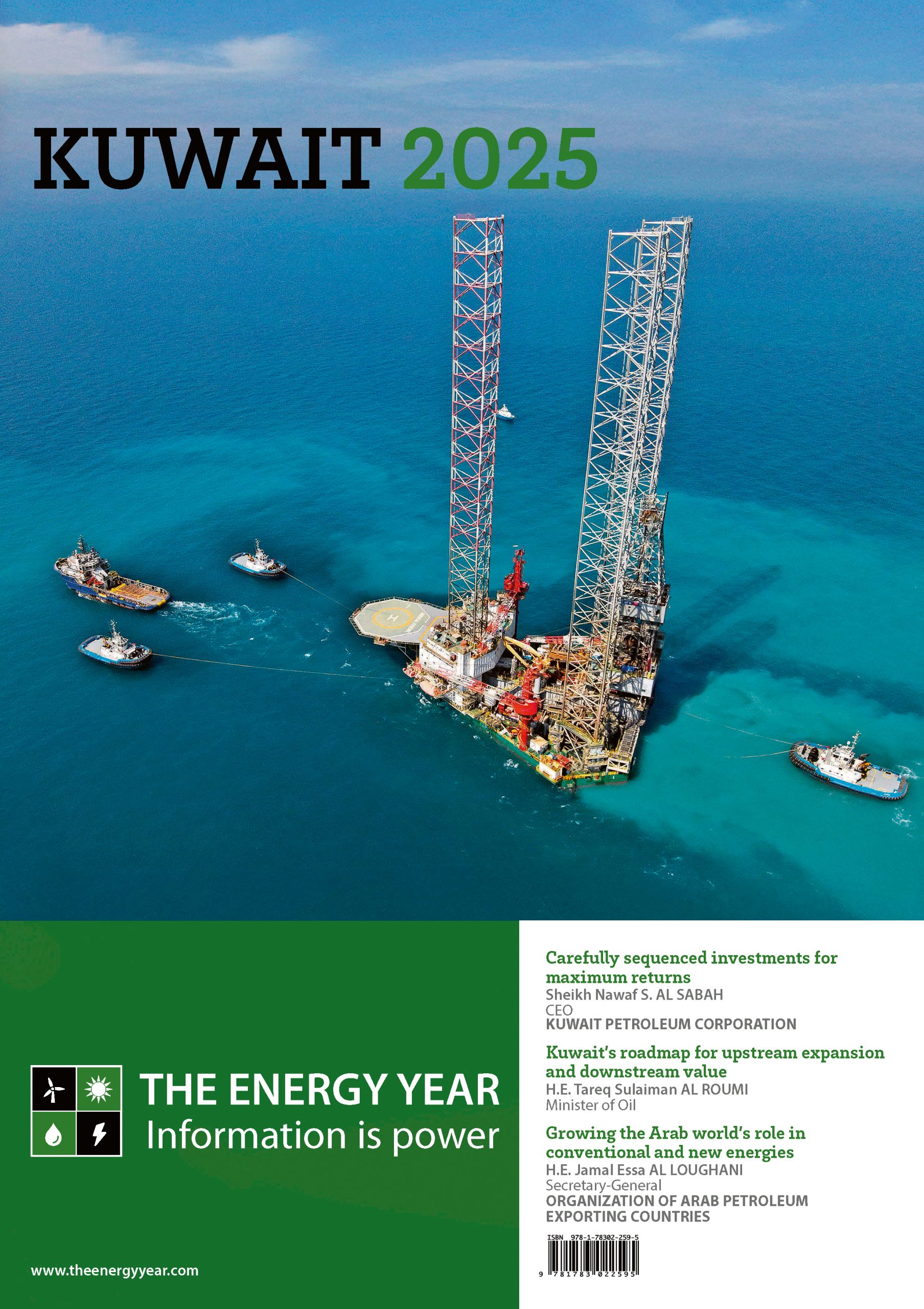
The Energy Year Kuwait 2025
The Energy Year Angola 2025
The Energy Year Nigeria 2025
The Energy Year Saudi Arabia 2025
The Energy Year UAE 2025

