
IEA reduces 2030 low-emissions hydrogen production forecast
 Multinational


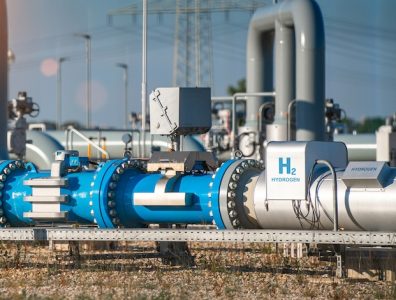
PARIS, September 12, 2025 – In its 2025 edition of the Global Hydrogen Review, published today, the IEA has revised its 2030 projection of low-emissions hydrogen production to a potential 37 million tonnes per year (tpy), down from a potential 49 million tpy one year ago.
The revision is due to postponements and cancellations that have shrunk the global project pipeline, as well as persistent growth constraints stemming from the high production cost of low-emissions hydrogen, demand and regulatory uncertainty, and delays in infrastructure development.
Nonetheless, the IEA continues to foresee “a sizable expansion” in hydrogen production by 2030, albeit with capacity coming on line at a slower rate than previously anticipated. According to its analysis, projects that are expected to become operational, reach FIDs or be under construction by 2030 will account for production of more than 4 million tpy, a fivefold increase over 2024.
An additional 6 million tpy could potentially become operational by 2030 if effective policies are enacted to spur low-emissions hydrogen demand.
“Investor interest in hydrogen jumped at the start of this decade thanks to its potential to help countries deliver on their energy goals. The latest data indicates that the growth of new hydrogen technologies is under pressure due to economic headwinds and policy uncertainty, but we still see strong signs that their development is moving ahead globally,” said IEA executive director Faith Birol.
Global hydrogen demand grew 2% year-on-year to reach almost 100 million tonnes in 2024, the EIA report found, with oil refining and industry being among the sectors with the highest consumption. The vast majority of this demand was met with hydrogen produced from fossil fuels, a process which remains significantly cheaper than lower-emissions methods.
Although the cost of producing low-emissions hydrogen is expected to come down as technology costs diminish and renewables come on line, the gap with respect to fossil-fuel production has risen recently due to lower natural gas prices and higher electrolyser prices.
China is the global leader in electrolysers, according to the report. Accounting for nearly 60% of global electrolyser manufacturing capacity, the country is responsible for 65% of the electrolyser capacity that has been installed or reached a positive FID worldwide.
Read our latest insights on:

More content from Multinational





Quality seismic decisions for Angola
INTERVIEW
Latest news and features



Latest Reports


The Energy Year Oman 2026
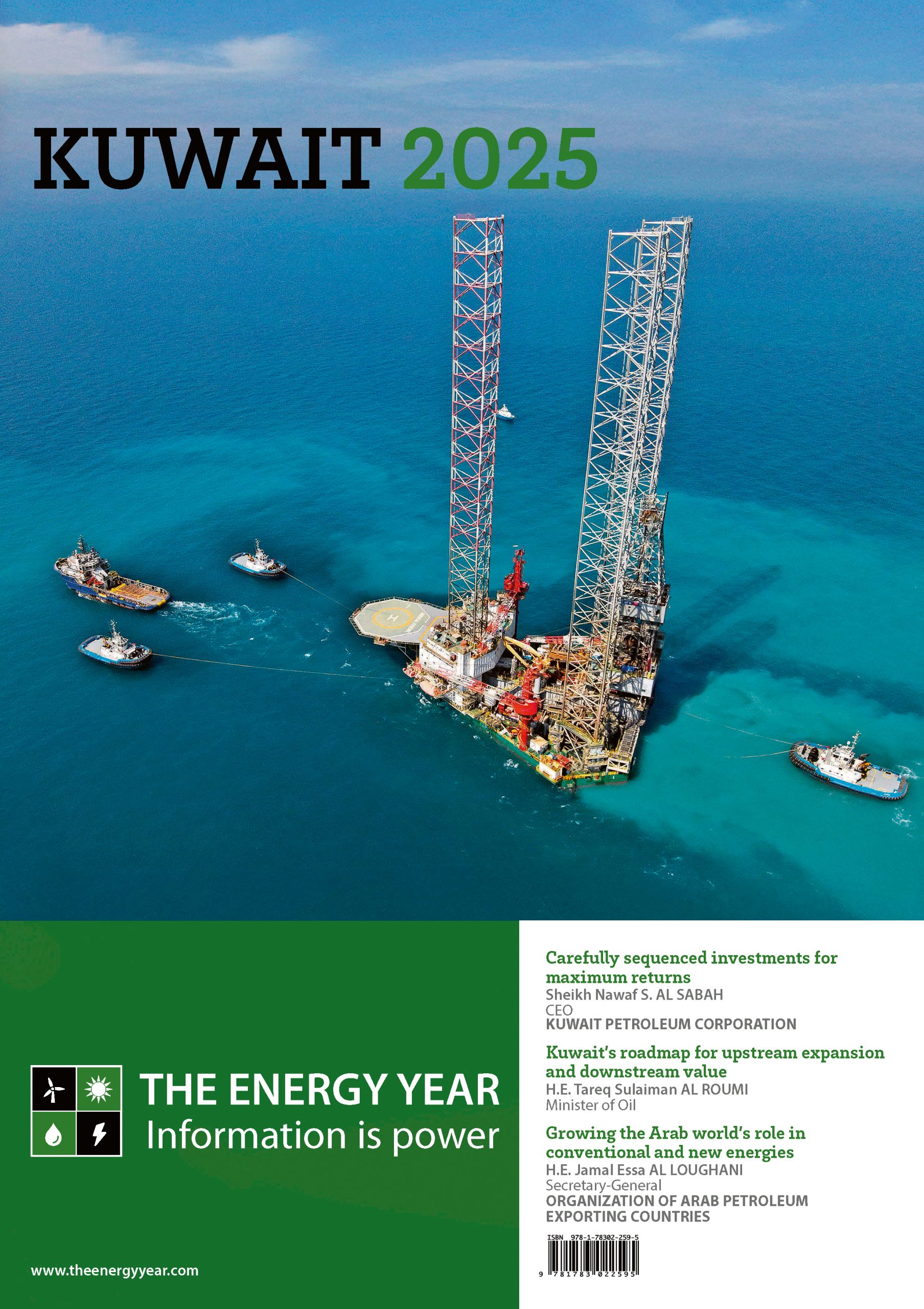
The Energy Year Kuwait 2025
The Energy Year Angola 2025
The Energy Year Nigeria 2025
The Energy Year Saudi Arabia 2025
The Energy Year UAE 2025

