

Nigeria’s Seplat wins approval for acquisition of ExxonMobil assets
 Nigeria


ABUJA, October 21, 2024 – Seplat Energy’s USD 1.28-billion acquisition of ExxonMobil’s oil and gas assets in Nigeria has been approved by the country’s petroleum regulator, international media reported on Monday.
CEO of the Nigerian Upstream Petroleum Regulatory Commission Gbenga Komolafe made the announcement at an event in Abuja.
Local player Seplat and ExxonMobil had signed the sale agreement in February 2022, but Nigerian NOC NNPC legally challenged the sale, stalling the transaction. The NOC and ExxonMobil reached an agreement in May 2024, with a deal to sell the assets for USD 1.28 billion.
The sale will give Seplat a 40% stake in four shallow-water oil mining leases – OMLs 67, 68, 70 and 104 – and associated infrastructure, including the Qua Iboe export terminal, along with 51% ownership of the Bonny River NGLs recovery plant.
Integrated energy player Seplat is one of the largest independents in Nigeria. The company has operations in E&P, exports and gas-to-power developments and a diversified portfolio of onshore oil and gas assets in the Niger Delta area close to existing export terminals and significant demand centres.
President Tinubu commented on the deal earlier this month, saying it will lead to increased oil and gas production at a time where the government is looking to boost its output.
ExxonMobil’s asset sale does not entail its divestment from the country. The Nigerian government reported that it had a meeting with the company on the sidelines of the UN General Assembly in September 2024 where ExxonMobil proposed a USD 10-billion investment in Nigeria’s offshore operations.
Regarding ExxonMobil’s future in Nigeria, Shane Harris, chairman and managing director of ExxonMobil Affiliates in Nigeria, stated, “Our commitment to Nigeria remains unwavering. As we celebrate 70 years of oil production and 8 billion barrels produced, we’re not retreating but refocusing our investments on deepwater opportunities.”
Read our latest insights on:

More content from Nigeria



Latest news and features





Latest Reports


The Energy Year Oman 2026
The Energy Year Kuwait 2025
The Energy Year Angola 2025
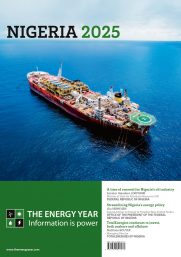
The Energy Year Nigeria 2025
The Energy Year Saudi Arabia 2025
The Energy Year UAE 2025

