

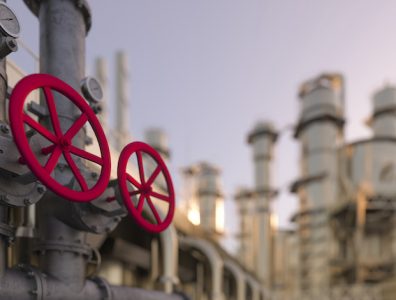
Strikes on Qatar’s Ras Laffan and Saudi Arabia’s Ras Tanura deepen global supply fears
 Multinational


DOHA, March 2, 2026 – Attacks on Qatar’s Ras Laffan LNG complex and Saudi Arabia’s Ras Tanura refinery have disrupted key Gulf export infrastructure, deepening concerns over global energy supply as tensions following Donald Trump’s strike on Iran raise the risk of wider disruption in the Strait of Hormuz.
QatarEnergy said it ceased production of LNG and associated products after military attacks on its operating facilities in Ras Laffan Industrial City and Mesaieed Industrial City. The state giant has nameplate LNG capacity of 77 million tonnes per year (tpy) and is a key supplier to Europe and Asia under long-term contracts. European gas prices surged in response, with the TTF benchmark trading about 40% higher and above EUR 45 per MWh on Monday . The shutdown highlights the exposure of globally significant LNG export capacity concentrated in the Gulf.
The strikes came less than a week after QatarEnergy announced it had awarded an EPC contract for the 16-million-tpy North Field West LNG expansion. The project represents the final phase of the country’s plan to raise national production capacity to 142 million tpy.
In Saudi Arabia, drones struck the Aramco refinery at Ras Tanura, one of the kingdom’s most important oil processing and export hubs. The facility handles about 550,000 barrels per day, and the precautionary shutdown tightened refined product markets.
Oil markets reacted sharply to the escalation. Reuters reported that Brent crude jumped 10% to around USD 80 per barrel in over-the-counter trade on Sunday, with analysts warning prices could approach or exceed USD 100 per barrel if flows through the Strait of Hormuz are significantly disrupted.
A fifth of the world’s crude
According to a Bloomberg report on Saturday, roughly a fifth of the world’s crude passes through the Strait of Hormuz, making it the most important chokepoint in global oil trade. Bloomberg reported that tanker traffic dropped sharply following the attacks and that LNG shipments through the waterway were effectively halted based on ship-tracking data.
While Saudi Arabia and the UAE can reroute some crude via pipelines — including Saudi’s East-West pipeline with capacity of 5 million bopd and the UAE’s Habshan-Fujairah line with capacity of 1.5 million bopd — Bloomberg noted that even with these alternatives, any closure of the strait would cause massive export disruption. Iraq, Kuwait, Qatar and Bahrain remain heavily dependent on the waterway.
Attention is now firmly on Hormuz. Bloomberg reported that harassment of shipping may be more likely than a full closure, but the concentration of oil, refined fuels and LNG flows through the narrow corridor means even partial disruption could sustain upward pressure on energy prices in the days ahead.
Read our latest insights on:


More content from Multinational





Quality seismic decisions for Angola
INTERVIEW
Latest news and features



Latest Reports


The Energy Year Oman 2026
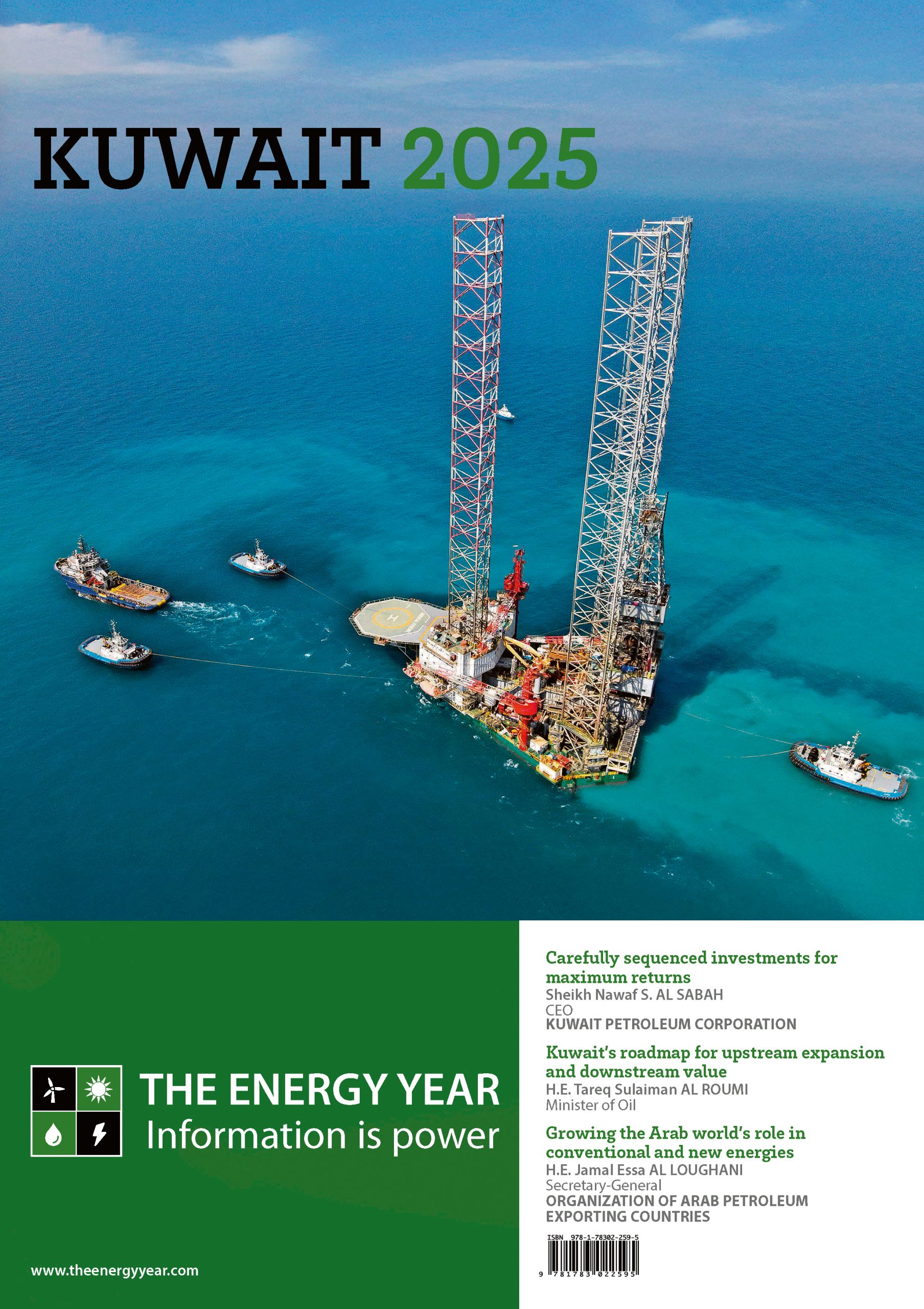
The Energy Year Kuwait 2025
The Energy Year Angola 2025
The Energy Year Nigeria 2025
The Energy Year Saudi Arabia 2025

The Energy Year UAE 2025

