
EU expands oil sanctions, targeting traders allegedly linked to Russia
 Multinational


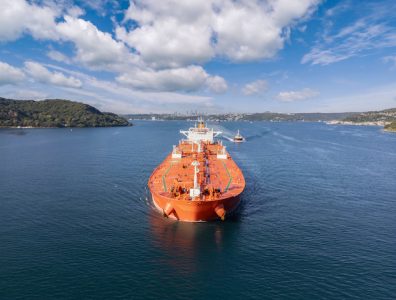
LONDON, December 19, 2025 – The European Union has imposed new sanctions targeting companies and individuals allegedly linked to Russia’s oil export network, intensifying efforts to restrict the shadow fleet transporting Russian crude, Reuters reported on Thursday.
The latest measures bar EU citizens from conducting business with named entities and individuals accused of supporting Russian oil exports. These include traders associated with Rosneft and Lukoil, shipping companies operating outside Western maritime controls, and businessmen allegedly involved in circumventing sanctions. The EU is expected to list over 40 vessels this week, bringing the estimated number in Russia’s shadow fleet to around 600.
Among those named in the EU’s Official Journal is Murtaza Lakhani, CEO of mid-sized trading company Mercantile & Maritime, which has offices in Singapore and London. The EU alleges Lakhani controls vessels transporting Russian crude and petroleum products, including on behalf of Rosneft.
In a press release, Lakhani denied the allegations and said he would pursue legal remedies. “The sanction designations have been made without regard to verified evidence and due process,” he said, calling the measures “politically-motivated”. He stated that neither he nor his company had been subject to regulatory action or charged with any offence.
Also named are Valery Kildiyarov of Lukoil’s Dubai-based subsidiary Litasco Middle East DMCC and executives from 2Rivers Group, formerly Coral Energy. Coral was previously one of the top traders of Russian oil before a management buyout and rebrand in 2024. The company said it halted all trading activities in June and was dissolved in August.
The EU’s actions are part of its 19th sanctions package, as it attempts to curtail Russia’s wartime revenues from discounted oil sales to buyers in Asia. Russia’s Permanent Mission to the EU criticised the measures, saying they would worsen socio-economic conditions for European citizens without altering Russia’s energy position.
Read our latest insights on:
More content from Multinational




Quality seismic decisions for Angola
INTERVIEW
Latest news and features



Latest Reports


The Energy Year Oman 2026
The Energy Year Kuwait 2025
The Energy Year Angola 2025
The Energy Year Nigeria 2025
The Energy Year Saudi Arabia 2025
The Energy Year UAE 2025

