
A Saudi National Champion with international reach
June 12, 2025 Saudi Arabia


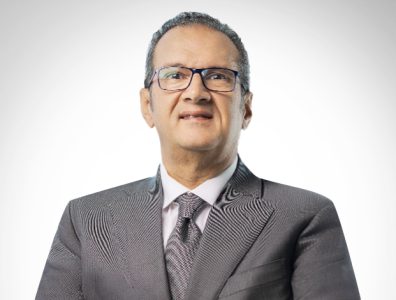
Mohamed Farouk, Group CEO of ADES Holding, talks to The Energy Year about becoming the world’s largest provider of jackup rigs and supporting Aramco’s production goals as a National Champion. ADES Holding is a Saudi provider of offshore and onshore drilling services for the oil and gas sector.
This interview is featured in The Energy Year Saudi Arabia 2025
How is ADES contributing to Aramco’s exploration and production objectives?
ADES is aligned with the country’s long-term objectives under Vision 2030. Since our listing in the Tadawul Main Market in 2023, we have seen significant growth in Saudi Arabia, and the country has become a cornerstone of our operations. It is one of the largest oil producers globally, and the demand for high-quality, reliable services grows constantly.
ADES has evolved to become a National Champion and play a critical role in supporting Aramco’s exploration and production goals. Currently, we hold a significant market share in the offshore jackup market in Saudi Arabia. We have excellent visibility and control over these assets, and they are a robust part of the national value chain.
Our company also operates in the gas segment and has a notable share of the market for land rigs. In our global expansion, we have become the largest jackup rig player worldwide, with operations in 11 countries in MENA, Southeast Asia, India and West Africa. Working with Aramco has helped us develop the expertise, safety standards and efficiency required to excel in international markets.
ADES has seen tremendous financial growth, reaching a valuation in the range of USD 5.5-6 billion. This growth has strengthened our position as a key supporter of Aramco’s targets and Saudi Arabia’s broader vision of energy leadership and global influence.
What is your strategy to ensure the success of your ongoing projects after the significant growth you have experienced?
Safety is a fundamental part of how we function. If we don’t prioritise safety, we lose our licence to operate. We also understand the importance of investing in people. We have nearly 8,000 employees, with a significant number based in Saudi Arabia. Our commitment to nurturing local talent is evident in our Saudisation rate of 74% for our operations in the country, ensuring that Saudi nationals form the core of our workforce.
ADES collaborates with SADA [Saudi Arabian Drilling Academy] by bringing in more than 100 graduates annually. We invest in state-of-the-art technology, including simulators, to train these future professionals. We also offer internship programmes with universities in Saudi Arabia, exposing students to both offshore and onshore operations.
We believe that fostering domestic capabilities is essential for the future growth of Saudi Arabia’s economy. Our offshore rigs are an important part of this commitment, as they are a limited asset class that needs to be maintained to ensure we stay at the forefront of the industry.
Is ADES leveraging any specific technologies to improve safety in operations?
Technology is a key pillar of our strategy, and innovation plays a critical role in our success. One of the standout technological advancements we have implemented is RigEye, a proprietary technology for incident prediction that uses AI and CCTV to monitor our rigs in real time and take corrective action on safety issues before they escalate.
In addition to RigEye, we have introduced Operating Command Centers that monitor our offshore and onshore rigs in real time so our teams can maintain better control and oversight of operations. The combination of AI-driven safety systems and centralised monitoring has contributed to a reduction in incidents and reinforced ADES’s position as a leader in operational efficiency and risk management within the industry.
With limited offshore opportunities in Kuwait and elsewhere in the GCC, how is ADES positioning itself in this market?
Offshore opportunities are indeed scarce in Kuwait, but we are in a good position to capitalise on them. We are pre-qualified to operate offshore, and we will compete in upcoming tenders from the Kuwait Oil Company as strong contenders. Beyond Kuwait, we have been working in Qatar with North Oil Company and QatarEnergy.
What differentiates ADES Holding from other companies in the sector?
We don’t adopt technology for the sake of it; we ensure that innovations serve a clear purpose. Moreover, we strike a balance between operational excellence and financial strength. While our clients demand high-quality, efficient operations, our shareholders require strong financial performance. We look after both aspects to ensure our long-term stability and success.
In 2024, ADES secured a USD 3-billion syndicated loan to finance its expansion plans. How important are regional banks for your ongoing operations in the GCC?
Domestic and regional banks play a crucial role in our growth and value creation strategy. Previously, we relied mostly on international banks, but we have begun to work more with domestic and regional banks. We operate in a capital-intensive industry, and we need to balance equity and debt in a way that supports growth while providing the right returns for our shareholders. By working with domestic and regional banks, we strengthen our ties to the GCC economy and gain access to financial support that is tailored to the region’s dynamics.
The USD 3-billion syndication is an enabler of our continued expansion, particularly in offshore and certain onshore markets where high returns are essential. The deal aligns well with our strategy, allowing us to grow globally while also focusing on regions with the right financial potential.
With ADES’s production model in Egypt, where we significantly increased production in a short time, we have seen how leveraging assets can increase productivity and ultimately contribute to the region’s growth, a strategy we plan to replicate in Saudi Arabia and other GCC markets.
Are you planning to collaborate with Arabian Rig Manufacturing (ARM), especially in light of their efforts to produce rigs for the GCC and Saudi markets?
We already have an established business relationship with ARM. In the past couple of years, we have done refurbishment projects worth tens of millions of dollars. Previously, we sent our equipment to either Dubai or Houston for refurbishment, which came with long turnaround times and a loss of visibility. Additionally, it meant funds were leaving the country. Now, by using ARM’s facility, we can benefit from faster turnaround times and keep money in the domestic economy.
We are keen to explore their capabilities further. We see potential in their abilities, and their domestic presence aligns with our long-term strategy. We are evaluating how we can collaborate more closely.
Read our latest insights on:
More content from Saudi Arabia




Quality seismic decisions for Angola
INTERVIEW
Latest news and features



Latest Reports


The Energy Year Oman 2026
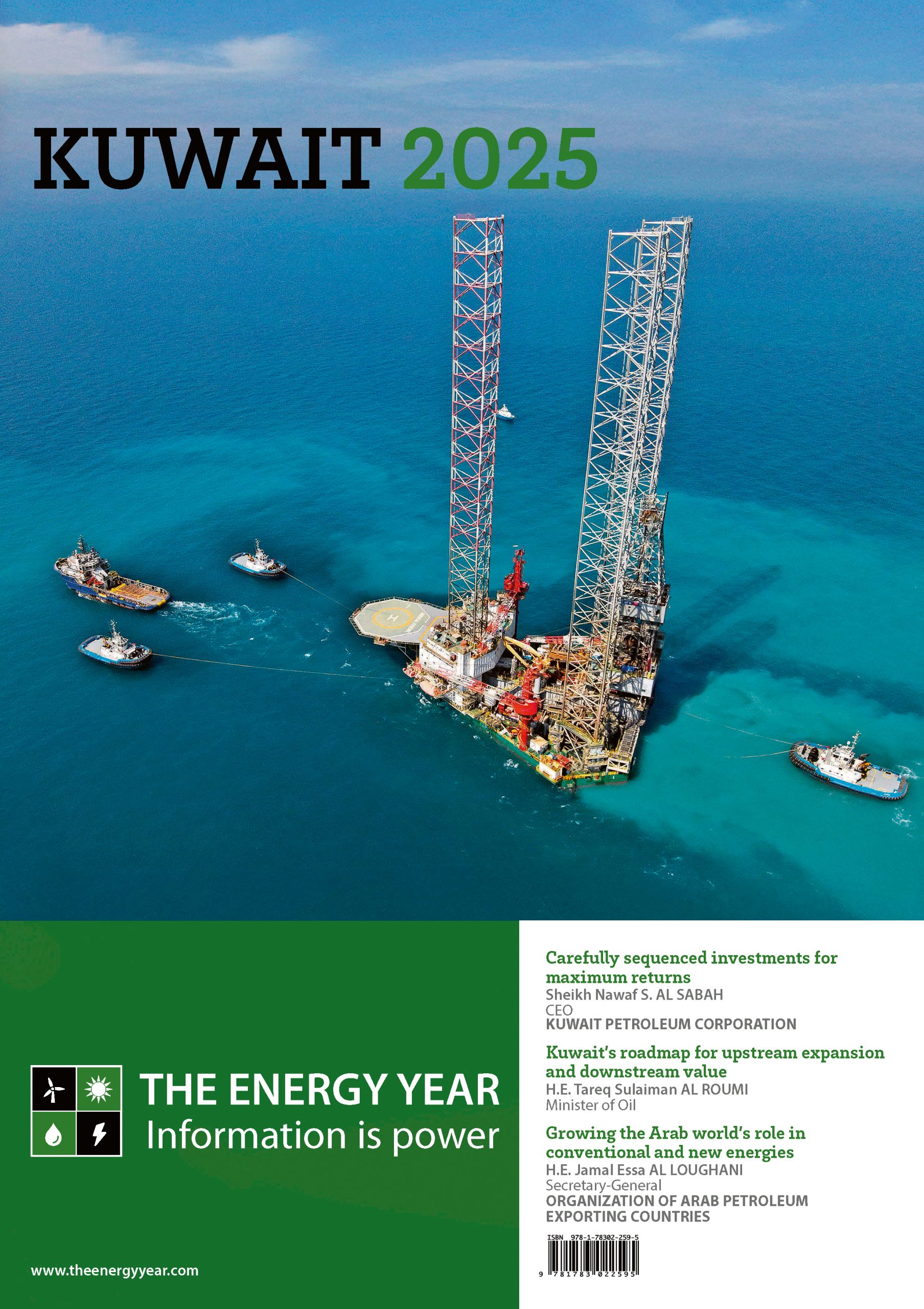
The Energy Year Kuwait 2025
The Energy Year Angola 2025
The Energy Year Nigeria 2025
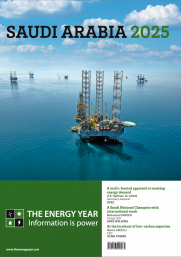
The Energy Year Saudi Arabia 2025
The Energy Year UAE 2025

