

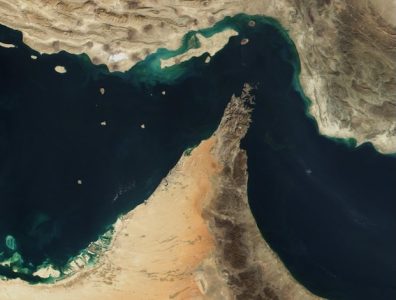
Supply chain strikes force oil prices up
 Multinational


DUBAI, March 31, 2026 – Oil markets remain on edge as hostilities continue in the Gulf. Kuwait Petroleum Corporation said on Tuesday that its Al Salmi crude oil tanker had been struck in a drone attack while anchored off Dubai.
The attack caused damage to the hull and started a fire, which was brought under control by the Dubai Port Authority. The vessel was loaded with 2 million barrels of oil when it was hit. No oil spill followed, and no casualties were reported.
Oil prices rose at the start of the week after Yemeni Houthis attacked Israel with drones and US President Donald Trump threatened to strike Iranian oil and power generation assets if Iran did not reopen the Strait of Hormuz, Reuters reported.
The attack is the second since Saturday, when Houthis first fired missiles at Israel in the context of the US and Israeli war on Iran.
BBC reporting based on data from intelligence firm Kpler indicated that only three ships had transited through the strait on Monday, all of them owned and crewed by Chinese nationals. Normally, about 140 ships sail through the chokepoint each day.
The effective closure of the Strait of Hormuz by Iran has caused a sharp rise in the price of oil. Brent was at USD 118.6 per barrel on Tuesday at time of going to press and has soared by about 58% in March, according to Reuters. Meanwhile, US West Texas Intermediate futures was at USD 102.3
Greater involvement by Yemeni Houthis in the war could threaten vessels passing through the Bab el Mandeb Strait, a passage between Yemen and Djibouti that links the Red Sea and the Gulf of Aden and is a key transit point for shipments between Asia and Europe via the Suez Canal.
Around the world, countries are taking action to curb fuel consumption or shield consumers from rising prices. Sri Lanka, Egypt, Bangladesh and the Philippines have reduced services and imposed limits on consumption. Spain, Portugal and Sweden have cut taxes on fuel to support consumers, while Croatia, Hungary, South Korea and Thailand have set price controls on petrol and diesel for drivers.
According to Al Jazeera, more than 1,900 people have been killed in Iran since the beginning of the conflict. More than 1,200 have been killed in Lebanon, and more than 150 additional deaths are reported across Gulf states, including Iraq, Kuwait, Oman, Saudi Arabia and the UAE. 20 deaths are reported in Israel and 13 among US military personnel.
Read our latest insights on:
More content from Multinational




Quality seismic decisions for Angola
INTERVIEW
Latest news and features


Latest Reports
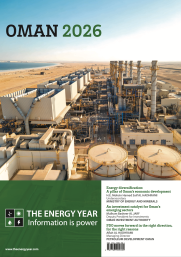


The Energy Year Oman 2026
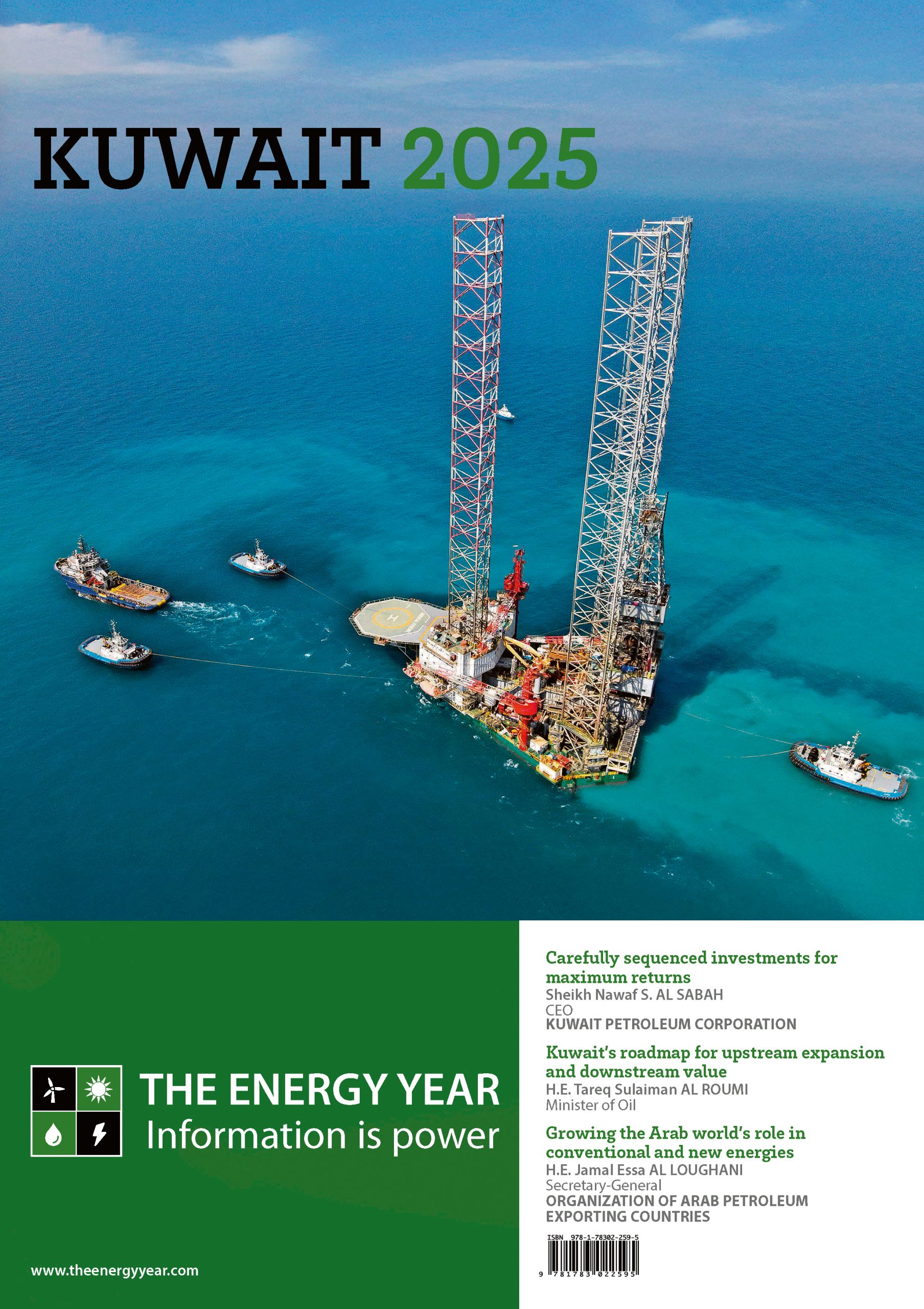
The Energy Year Kuwait 2025
The Energy Year Angola 2025
The Energy Year Nigeria 2025
The Energy Year Saudi Arabia 2025

The Energy Year UAE 2025

