


Iran conflict keeps energy markets on edge
 Multinational


TEHRAN, March 20, 2026 – US forces have intensified strikes on Iranian drones and naval vessels around the Strait of Hormuz as attacks on Gulf energy assets keep Brent crude above USD 108 per barrel and unsettle markets, The New York Times reported on Friday.
The latest escalation comes as Washington tries to reopen the strait after nearly three weeks of war, with Iran using mines, missiles and armed drones to disrupt shipping through a route that carries a large share of global oil and natural gas flows. For energy investors, the immediate focus is on supply security, tanker movements and the risk of further damage to Gulf infrastructure.
Kuwait Petroleum Corporation said a drone attack caused fires at the Mina al-Ahmadi refinery for the second consecutive day, while Saudi Arabia, Kuwait, Bahrain and the UAE said they were intercepting incoming drones and missiles. The Trump administration has also discussed lifting sanctions on Iranian oil to support global supply after the latest attacks pushed up energy prices.
Axios, a US-based digital media outlet focused on business, politics and technology news, reported on Friday that the Trump administration is considering occupying or blockading Iran’s Kharg Island to pressure Tehran into reopening the Strait of Hormuz. The island handles a large share of Iran’s crude exports, making any move against the hub a significant escalation with direct implications for global oil supply.
Over the past week, strikes on energy infrastructure have escalated sharply, beginning with Israel’s attack on Iran’s South Pars gasfield – the world’s largest gasfield – which disrupted a critical hub underpinning Iran’s domestic supply and global gas markets. This was followed by missile damage to Qatar’s Ras Laffan Industrial City, cutting LNG export capacity by 17% and threatening USD 20 billion per year in revenues, and drone attacks on Kuwait’s Mina al-Ahmadi and Mina Abdullah refineries, highlighting growing risks across both upstream and downstream assets in the Gulf.
Brent crude eased on Friday after surging as high as USD 119 a barrel on Thursday, but it remained far above the roughly USD 72 per barrel seen before the war began. Broader market sentiment also weakened, with the S&P 500 heading for a fourth straight weekly loss as investors weighed inflation risks and the prospect of a prolonged disruption in the Gulf.
Read our latest insights on:

More content from Multinational





Quality seismic decisions for Angola
INTERVIEW
Latest news and features



Latest Reports



The Energy Year Oman 2026
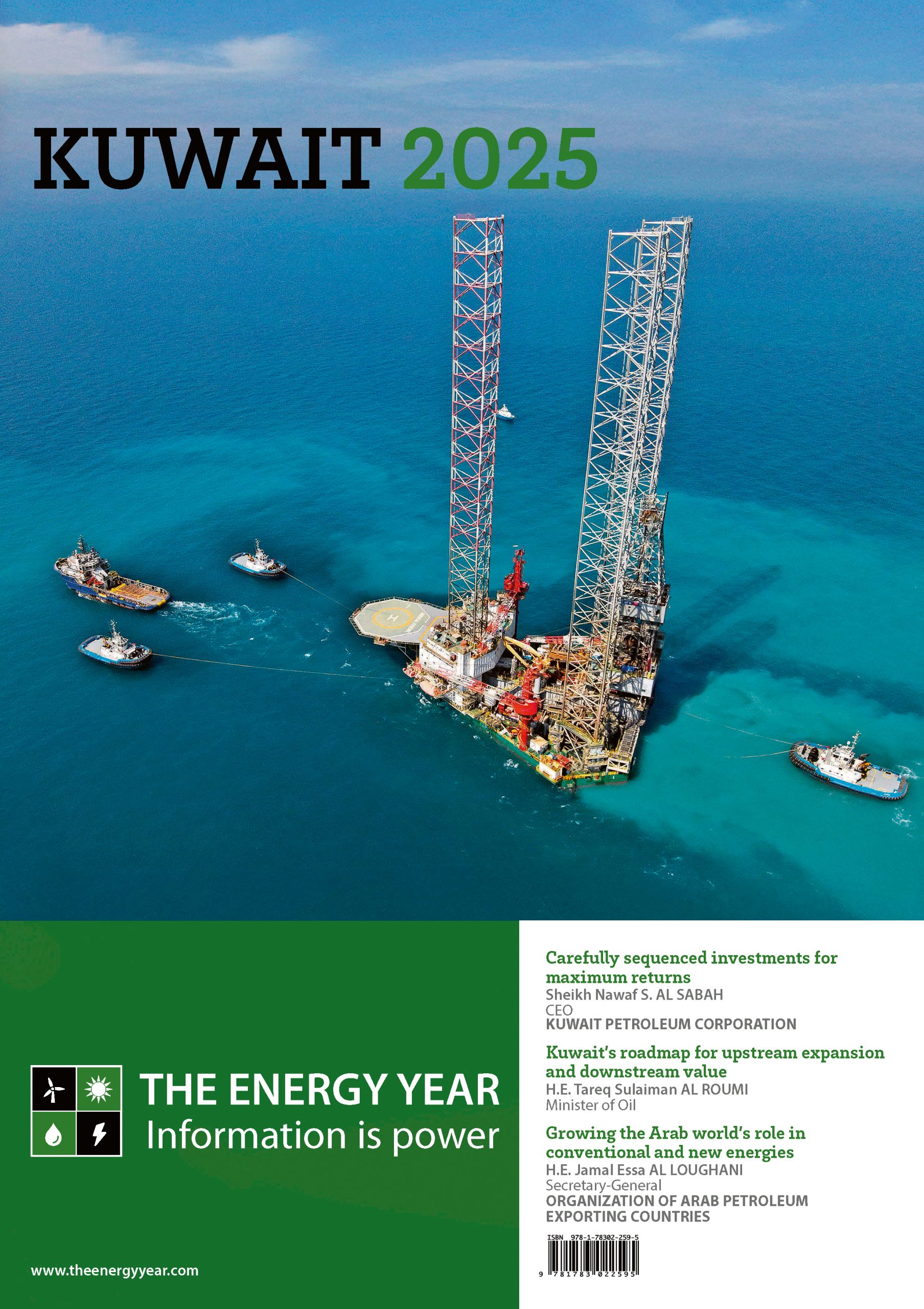
The Energy Year Kuwait 2025
The Energy Year Angola 2025

The Energy Year Nigeria 2025

The Energy Year Saudi Arabia 2025

The Energy Year UAE 2025

