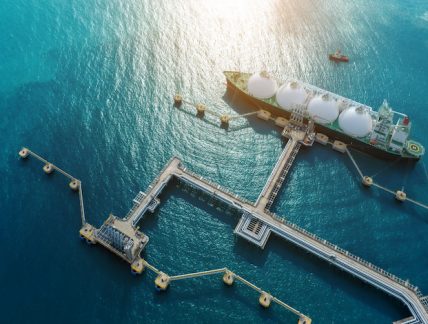
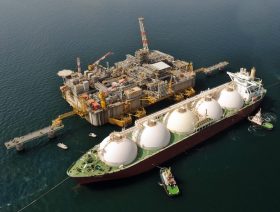
QatarEnergy has signed a 25-year condensate supply agreement with Shell subsidiary Shell International Eastern Trading Company (SIETCO) as offtaker, QatarEnergy…
READ MORE
2024 oil reserves:25.2 billion barrels
2024 oil production:1.85 million bopd
2024 gas reserves:28.8 tcm
2024 gas production:175 bcm
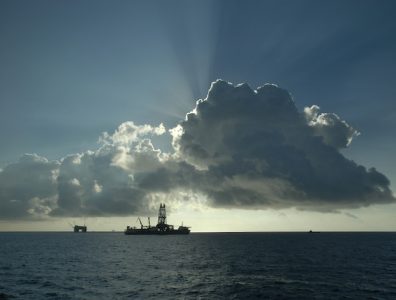
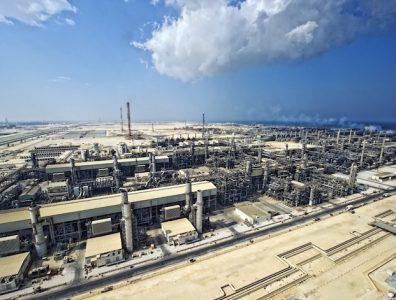
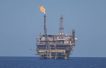
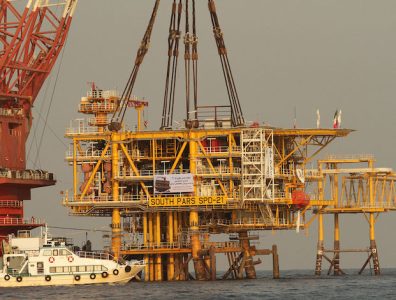
Qatar’s oil and gas sector, led by QatarEnergy and overseen by the Ministry of Energy, has shaped the country’s modern development since oil was discovered in the mid-20th century. The offshore North Field – discovered in 1971 and shared with Iran’s South Pars – is widely recognised as the world’s largest non-associated natural gas field and holds recoverable reserves of more than 25.5 tcm.
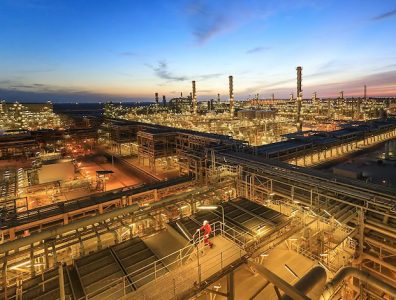
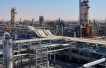
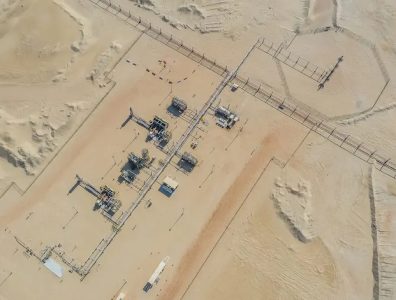
Hydrocarbons activities and affiliated operations remain the backbone of Qatar’s economy, accounting for more than 70% of government revenues and the majority of export earnings in recent years. The state-owned company manages the country’s upstream and downstream oil and gas activities, including production, processing and export infrastructure, while the government continues to prioritise the sector as a cornerstone of national development.
Qatar has invested heavily in LNG since the 1990s and remains among the world’s leading exporters. The country was the world’s third-largest LNG exporter in 2024, behind the US and Australia, exporting around 77 million tonnes that year. Qatar’s LNG exports have traditionally been sold under long-term, oil-indexed contracts, although the market has increasingly shifted towards shorter-term and more flexible arrangements as buyers diversify supply sources. Asia remains Qatar’s largest LNG market, but European demand for Qatari LNG has grown in recent years amid security-of-supply concerns.
While Qatar’s power generation has historically relied almost entirely on natural gas, the country has moved to expand renewable capacity, particularly solar. In 2024, Kahramaa launched the Qatar National Renewable Energy Strategy, which targets around 4 GW of utility-scale renewable capacity by 2030, raising renewables’ share of the power mix from about 5% to 18% by the end of the decade. Qatar’s first large-scale solar plant, the 800-MWp Al Kharsaah facility, was commissioned in 2022, with additional projects developed more recently to support the country’s longer-term diversification goals.
Libya has signed production-sharing agreements with international energy companies to boost upstream exploration and lift output.
READ MORE
Julius D. Rone of UTM Offshore talks about shifts in energy security priorities and new opportunities for African energy…
READ MORE
Impact Oil & Gas has separated its Namibian and South African portfolios to sharpen its focus on bringing the Venus discovery to…
READ MORE
War damage at Ras Laffan Industrial City slashes Qatar’s LNG export capacity by 17% and revenues by USD 20 billion.
READ MORE
Iranian missile strikes cause extensive damage to Ras Laffan Industrial City and several LNG facilities in Qatar.
READ MORE
An Israeli strike on Iran’s South Pars gasfield has driven oil and gas prices higher and heightened energy security risks in Iran.
READ MORE
TotalEnergies has shut down operations in the Middle East for approximately 15% of its total output due to the US-Iran war.
READ MORE
QatarEnergy has signed a 25-year condensate supply agreement with Shell subsidiary Shell International Eastern Trading Company (SIETCO) as offtaker, QatarEnergy…
READ MORE
Tejas Mehta of Qlik talks about investing in talent to grow the company's presence in the Middle East.
READ MORE
Shaun Mills of Worley talks about the key business areas driving growth in the UAE.
READ MORE
L&T has secured its largest-ever single-contract win from QatarEnergy for the North Field expansion project.
READ MORE
Anandkumar Varadharajulu of AquaChemie talks about plans to triple chemicals production capacity with a new plant in Jubail.
READ MORE
Salah Elkadiki of AMPO Arabia talks about opening a new manufacturing facility in Dammam that will double production capacity.
READ MORE
Hanna Jabbour of Intertek talks about driving sustainable growth across the region through innovations in compliance.
READ MORE
Global LNG demand is projected to increase by around 60% by 2040.
READ MORE
Iman Nasseri of FGE talks about the UAE’s strong prospects for becoming a global trading hub.
READ MOREWHOSE PLATFORM IS THIS?
ASK US