Oil was up Wednesday morning in Asia, paring back losses from the previous session ahead of an Organization of the Petroleum Exporting Countries and allies (OPEC+)…
READ MORE
2024 oil reserves:107.8 billion barrels
2024 oil production:10.7 million bopd
2024 gas reserves:47.2 tcm
2024 gas production:651.8 bcm
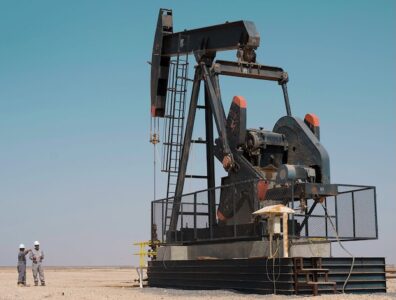
Russia is consistently among the world’s top three producers of hydrocarbons and holds the largest proven natural gas reserves globally. It is also a major LNG exporter, although sanctions and technology restrictions have slowed the expansion of several flagship Arctic LNG projects and tempered growth ambitions.
Hydrocarbons continue to play a central role in Russia’s public finances, but their contribution to the federal budget is lower and more volatile than it once was. In recent years, oil and gas revenues have generally accounted for around a third of federal budget income, fluctuating with prices, taxation changes and export volumes. Even as the economy has adapted to sanctions, the oil and gas sector remains a key source of hard-currency earnings and a cornerstone of state spending.
Domestic firms dominate Russia’s upstream sector, with Rosneft, Lukoil, Gazprom and Novatek among the largest players. Much of the country’s production base consists of mature fields, particularly in western Siberia, which has historically been the heart of the country’s oil industry. As a result, companies have focused heavily on brownfield optimisation, enhanced recovery and infrastructure upgrades, while pushing into more complex resources that were previously constrained by cost or technology. New growth areas include eastern Siberia and the Arctic, where gas projects and LNG developments have been central to the long-term strategy, even as project timelines have been disrupted by restrictions on equipment, finance and shipping.
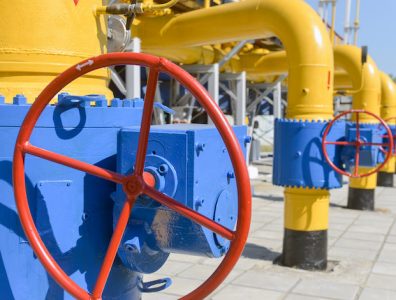
Russia has extensive midstream infrastructure, including one of the world’s largest crude pipeline systems. The Druzhba pipeline network has historically been a key export route to Europe, but the structure of the country’s energy trade has shifted dramatically since the war in Ukraine. Pipeline gas exports to Europe have fallen to their lowest levels in decades, and crude and product flows have increasingly been redirected to non-OECD markets.
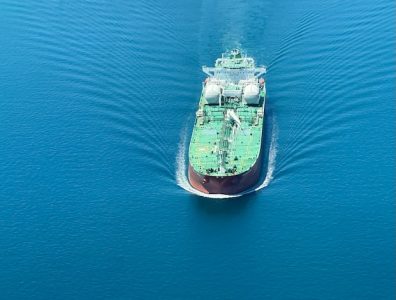
To sustain exports under sanctions, Russia has accelerated its pivot to Asia, expanding seaborne crude flows and reinforcing pipeline links to China. China has remained the single largest buyer of Russian oil, and Russian gas deliveries to China via the Power of Siberia pipeline have continued to grow as Moscow works to replace lost European market share with long-term Asian demand.
Julius D. Rone of UTM Offshore talks about shifts in energy security priorities and new opportunities for African energy…
READ MORE
Yahya Al Yami of Khalifa Abdulrahman Algosaibi Investment talks about the competitive advantages of operating within the Saudi…
READ MORE
Ado Oseragbaje of Heritage Oil talks about unlocking oil and gas value in Nigeria’s onshore.
READ MORE
India's Bharat Coking Coal has soared 96% on its market debut, reaching a valuation of USD 2.2 billion.
READ MORE
IndianOil has purchased 2 million barrels of crude from Ecopetrol under an optional supply contract to offset Russian imports.
READ MORE
The EU’s plan to fully end Russian gas imports by 2027 faces legal, logistical and political hurdles.
READ MORE
Mohammed Al Hamza of Plant-Tech Arabia talks about investing in R&D and training to stay ahead of the competition.
READ MORE
Oil was up Wednesday morning in Asia, paring back losses from the previous session ahead of an Organization of the Petroleum Exporting Countries and allies (OPEC+)…
READ MORE
Oil prices pushed higher Friday, continuing the sharp gains of the previous session, following the decision of the Organization of the Petroleum Exporting Countries and…
READ MORE
Helge Beuthan, managing director for the United Arab Emirates at Wintershall Dea, talks to The Energy Year about how the “pandemic pause” can benefit projects, the…
READ MORE
Oil was down Friday morning in Asia, ending the week on a low note. The global market tightened as investors await an Organization of the Petroleum Exporting Countries…
READ MORE
Oil was up Monday morning in Asia. However, a resurgence of COVID-19 globally continues to take an economic toll and dampen fuel demand.
Brent oil futures were up…
READ MORE
Oil was up Wednesday morning in Asia, with an unexpected pledge from Saudi Arabia to cut crude output further by one million barrels a day in February continuing to…
READ MORE
Oil was down Tuesday morning in Asia, as the Organization of the Petroleum Exporting Countries and allies, or OPEC+, continues deadlocked talks on February…
READ MORE
Oil was up on Thursday morning in Asia, even as oil producers including Russia and Saudi Arabia remained deadlocked over the extension of production cuts, and the US…
READ MORE
Russia’s long-serving energy minister, Alexander Novak, is stepping down after being recommended for the post of deputy prime minister.
The recommendation, made by…
READ MORE
Oil was up on Wednesday morning in Asia, with Brent crude moving back above the $40 mark. Large falls in US inventories, combined with likely supply cuts boosted…
READ MOREWHOSE PLATFORM IS THIS?
ASK US